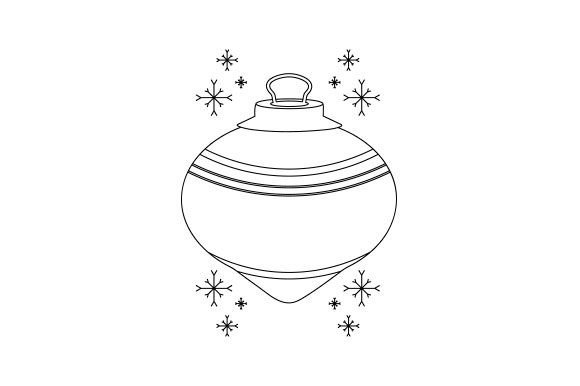
Christmas Tree Ornament - Embroidery Pattern Review
When I first opened the files for the Christmas Tree Ornament - Embroidery Pattern, I didn't just see a shape; I saw a potential bestseller for my holiday collection. As someone who has spent years testing digital assets for real-world application, my initial reaction is less about the file size and more about the design's inherent versatility. This isn't just another generic tree icon; it carries a specific weight of tradition that fits perfectly into the current market demand for nostalgic, handmade aesthetics.
The mood this pattern sets immediately is warm and inviting. It strikes a balance between being detailed enough to look premium on a finished product but simple enough to stitch cleanly without requiring an industrial-grade machine or hours of editing. For any Etsy seller or small business owner looking to expand their holiday embroidery offerings, this piece offers a solid foundation. It feels like a classic that will remain relevant year after year, making it a smart investment for your design assets.
Real-World Application: From Digital File to Finished Product
I recently put this embroidery file through its paces while preparing a custom order for a boutique client. The goal was to create a limited run of personalized kitchen towels and tote bags for a local Christmas market. The challenge with many ornament designs is that they often look great in a mockup but fail when transferred to fabric, especially on textured materials like canvas or terrycloth.
This Christmas Tree Ornament - Embroidery Pattern performed admirably. On the canvas tote bags, the clean lines held up well, creating a crisp silhouette that customers could easily recognize from a distance. The layout allows for excellent placement flexibility. Whether you are centering it on a large apron or placing it as a subtle accent on the corner of a baby onesie, the proportions feel natural. It avoids the cluttered look that often plagues complex holiday designs, which is crucial for maintaining a professional appearance in custom apparel.
I also tested it on a soft cotton sweatshirt intended for a nursery gift. Here, the design shines because it doesn't rely on excessive density. The thread colors I selected popped against the light fabric, and the stitching felt smooth rather than puckered. This suggests that the underlying digitization is thoughtful, likely utilizing a mix of satin stitch for outlines and fill stitch for the body to ensure coverage without overwhelming the fabric texture.
Where This Design Fits Best
Not every design works everywhere, and understanding the boundaries of a machine embroidery design is key to avoiding customer returns. This particular pattern excels in several specific categories:
- Holiday Gifts and Decor: It is perfect for pillow covers, tea towels, and stockings. The festive theme resonates deeply during the season, making it a high-demand item for craft business owners.
- Personalized Products: Because the design is relatively contained, it leaves ample room for adding names or dates alongside the ornament shape. This makes it ideal for personalized gifts where the text needs to be legible next to the graphic.
- Boutique Branding: Small shop owners can use this as a logo element or a signature mark on tags and packaging. Its clean aesthetic supports brand consistency without looking dated.
- Digital Previews: Since you receive this in formats like SVG and Transparent PNG, it is incredibly useful for creating printable mockups. You can quickly visualize how the final product will look before you even cut the fabric, saving time on production planning.
Areas Requiring Careful Consideration
While this is a strong design, no single file is a magic bullet for every scenario. There are specific situations where you should exercise caution or adjust your approach. If you plan to use this on a curved surface like a baseball cap, you must ensure your hoop size and stabilizer choice account for the curvature. A design that lays flat on a square frame might distort slightly if not stabilized correctly on a round hat panel.
Similarly, be mindful of the fabric texture. On very thick, looped fabrics like heavy terry cloth, fine details might get lost. Conversely, on thin, stretchy knits, the density of the stitch density could cause pulling if the wrong stabilizer is used. I recommend always running a test on scrap fabric that matches your final material. This step is non-negotiable for maintaining quality control.
Another factor to consider is the color contrast. While the design itself is neutral, its visual impact relies heavily on the thread colors you choose. On dark fabrics, lighter threads may require an underlay or a higher stitch count to achieve opacity, which can increase the risk of fabric distortion. Always inspect small details in black and white mockups to ensure the shape remains distinct regardless of the color palette.
Technical Notes for the Professional Designer
Before you start stitching, there are practical steps to take to ensure success. First, verify the file formats you received. The package includes SVG, Transparent PNG, EPS, DXF, and potentially other vectors. These are essential for scaling the design to fit different hoop sizes without losing resolution. However, remember that scaling up too much might reveal pixelation in the raster images (PNG), so rely on the vector files (SVG/EPS/DXF) for resizing.
Check the stitch density carefully. If the design looks too dense in your software, it might be prone to breaking needles or causing fabric bunching. Adjust the settings if necessary to match the thickness of your thread. Also, confirm whether the license allows for commercial use. Many designers sell these patterns for personal projects only, while others offer full commercial rights. Ensure you have the correct permissions before selling finished products at craft fairs or online shops.
If you are using this for an applique design approach, the clean edges provided by the SVG format will make tracing onto fabric much easier. For a standard embroidered patch, ensure the backing is stable enough to hold the shape once cut out. The versatility of the design means it can serve as a standalone ornament or part of a larger scene, giving you creative freedom to build cohesive collections.
Final Thoughts on Value and Visual Appeal
In the world of handmade product creation, the difference between a good item and a great one often comes down to execution. This Christmas Tree Ornament - Embroidery Pattern provides a reliable base that elevates the perceived value of any project it touches. It conveys professionalism and attention to detail, which builds trust with buyers.
Whether you are a hobbyist looking to make a special gift for family or a seasoned entrepreneur expanding your small shop product line, this design delivers. It respects the limits of the medium while maximizing the festive spirit. By taking the time to test it properly and choosing the right materials, you can turn this digital file into a tangible asset that customers will cherish. It is a practical, stylish, and versatile addition to any embroidery project library ready for the holiday rush.