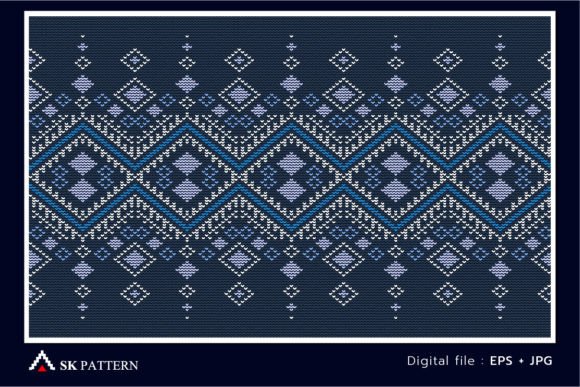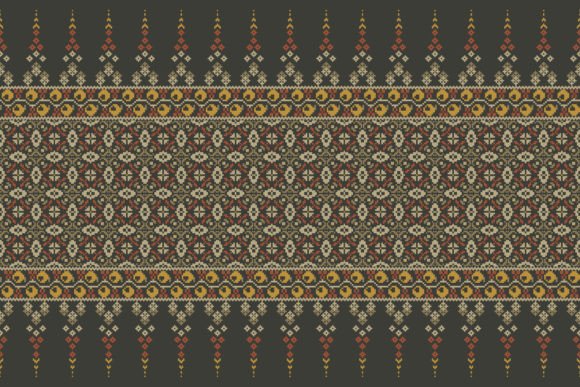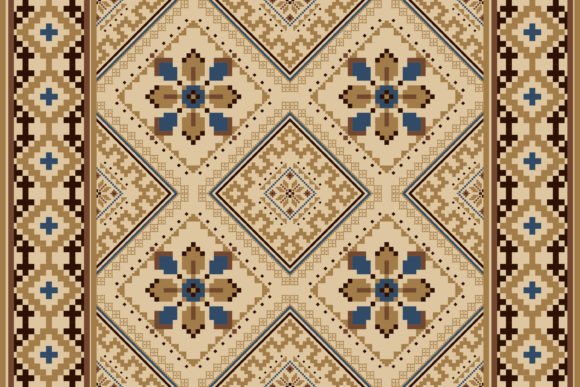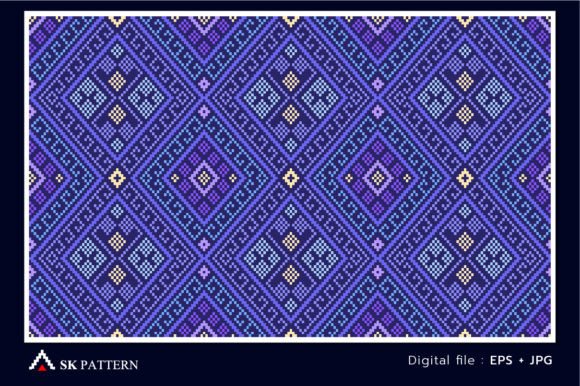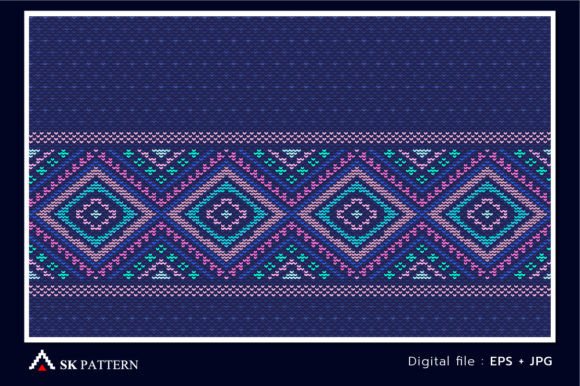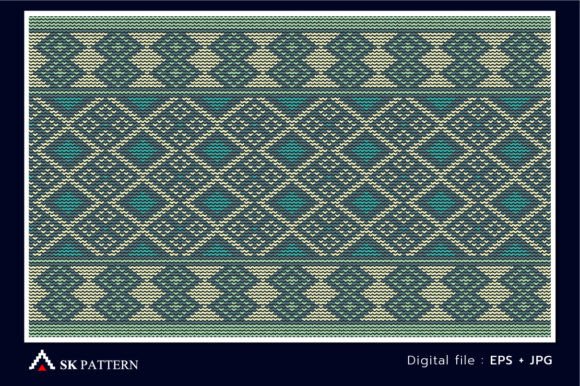
Cross Stitch Pattern, Embroidery Design for Shop Owners
As an embroidery seller who has spent years turning digital files into tangible best-sellers on Etsy and at local craft fairs, I know that the difference between a product that gathers dust and one that flies off the shelf often comes down to the design itself. When evaluating a new asset like Cross Stitch Pattern, Embroidery Design, I am not just looking for something pretty; I am looking for commercial viability, stitch quality, and versatility. This review looks at how this specific design fits into a modern handmade business model, from boutique merchandise to personalized gifts.
Visual Personality and Product Fit
The title Cross Stitch Pattern, Embroidery Design suggests a classic aesthetic, but the description opens up a world of possibilities. The text mentions applications ranging from wall art and floor pillows to scarves, dresses, skirts, and even gift wrapping. This breadth tells me immediately that the design likely possesses a balanced visual weight—it is neither so tiny that it gets lost on a large tote bag nor so massive that it cannot fit on a baby blanket or a kitchen towel.
In terms of style, designs with this level of versatility tend to lean towards the elegant or minimal side, making them perfect for home decor enthusiasts who appreciate clean lines. However, cross-stitch motifs can also be interpreted as rustic or playful depending on the thread colors chosen. For an Etsy seller, this ambiguity is a feature, not a bug. It allows you to create multiple collections: a seasonal collection using red and green threads for winter holidays, or a feminine line using pastels for spring nursery items.
Ideas for Your Product Lineup
When I first saw the potential uses listed in the product description, my mind immediately went to specific high-demand categories. Here is how Cross Stitch Pattern, Embroidery Design could transform your inventory:
- Custom Apparel: The design is ideal for sweatshirt embroidery on the chest pocket or the back yoke. It also works beautifully on denim jackets or tote bag design projects where a central motif anchors the piece.
- Home Decor: Floor pillows and throw blankets are trending heavily right now. A well-executed embroidery file on a chunky knit throw adds a premium touch that mass-market retailers cannot replicate. Similarly, applying this to cushion covers or tapestries creates a cozy, artisanal feel.
- Kitchen and Dining: Kitchen towels and aprons are staple items for any craft business. A cross stitch pattern here feels traditional and welcoming, perfect for gifting to newlyweds or housewarmings.
- Baby and Kids: Baby blankets and onesies require gentle aesthetics. If the design features soft shapes or simple lettering, it becomes a top-tier baby embroidery item that parents love to photograph.
- Accessories: From scarves to caps, the design's adaptability shines. It can be used for embroidered patches that are ironed onto bags or sewn onto denim vests.
Commercial Value and Buyer Psychology
Selling on platforms like Etsy requires understanding what drives a buyer to click "Add to Cart." A professional-looking finished product does more than just look good; it signals quality. When a customer sees a crisp, well-defined machine embroidery design on a product listing, they assume the seller takes pride in their work. This perception increases the perceived value, allowing you to price your items higher than generic, printed alternatives.
This design supports the creation of personalized gifts effectively. Whether it is adding a name to a pillow cover or creating a monogrammed handkerchief, the cross-stitch aesthetic adds a layer of sentimentality that resonates deeply with buyers looking for unique items. Furthermore, for sellers focusing on social media marketing, designs with clear, distinct stitches photograph exceptionally well. They catch the light, show texture, and stand out in a feed dominated by flat graphics.
Using Cross Stitch Pattern, Embroidery Design allows you to create printable mockups that look realistic. You can visualize how the pattern sits on different fabrics before you even cut the thread. This preparation helps in creating compelling product photography that showcases the depth and detail of the stitching, which is crucial for attracting online shoppers.
Practical Seller Notes for Implementation
Before you rush to list hundreds of products, there are critical steps every experienced seller must take to ensure success. The description notes that the package includes a 1 eps flie (likely EPS) and a 1 jp (likely JPG). While these formats are useful for vector editing and visual reference, they do not automatically mean the file is ready for your embroidery machine without further processing.
- Verify File Compatibility: Ensure the provided files convert correctly to your machine's preferred format (such as .dst, .pes, or .exp). Do not assume compatibility; test it immediately.
- Create a Sample Stitch-Out: Nothing beats seeing the design stitched. Run a test on scrap fabric to check the stitch density. If the stitches are too crowded, the fabric may pucker; if they are too sparse, the design may look thin and cheap.
- Check Hoop Size Constraints: Confirm the hoop size required for the design. If you plan to sell large items like floor pillows, ensure the design fits within standard multi-needle hoops or that you have the capability to re-hoop accurately.
- Thread Color Selection: Experiment with various thread colors to see which combinations make the design pop. Sometimes a single-color monochrome look is more modern and sells better than a multi-colored version.
- Stabilizer Strategy: Different fabrics require different stabilizers. Test your design on the actual material you intend to sell, such as canvas for tote bags or fleece for blankets, to determine the best backing method.
- Licensing Review: Before engaging in commercial embroidery, carefully review the Creative Fabrica licensing agreement. Verify that you are permitted to sell finished goods made from this design and understand any limits on the number of units sold.
Final Thoughts for the Creative Entrepreneur
Evaluating Cross Stitch Pattern, Embroidery Design through the lens of a small shop owner reveals a tool with significant potential. Its ability to span across categories—from graphic patterns on clothing to home decor accents—makes it a versatile addition to any digital library. By treating the design as a foundation for quality craftsmanship rather than just a quick print, you can build a brand that stands out.
For those browsing Creative Fabrica embroidery options, this design represents a solid opportunity to expand your offerings. Whether you are creating a small batch apparel line or curating a collection of handmade product gifts, the key lies in execution. Take the time to test, refine, and photograph your samples. When done right, a simple cross-stitch motif can become the signature element that defines your shop's identity.
Remember, the goal is to create items that feel memorable and giftable. With careful planning and attention to technical details like stitch density and thread colors, this design can help elevate your custom apparel and decor lines to the next level. Happy stitching!