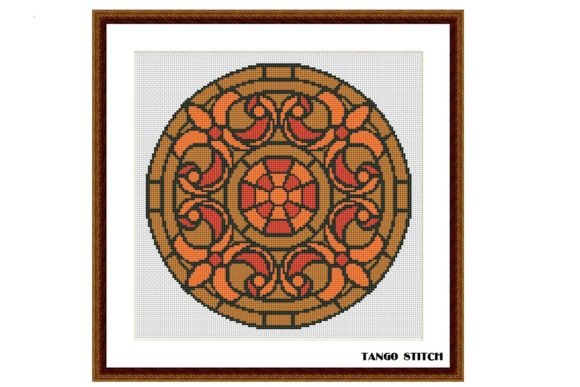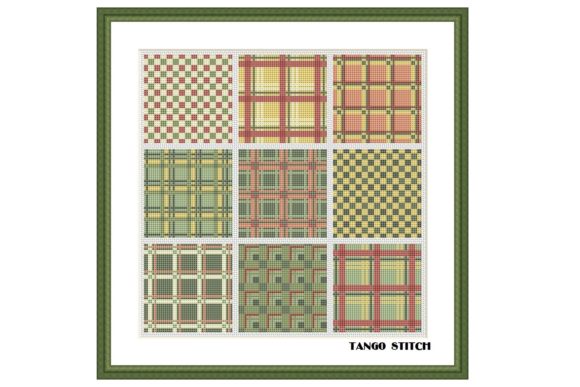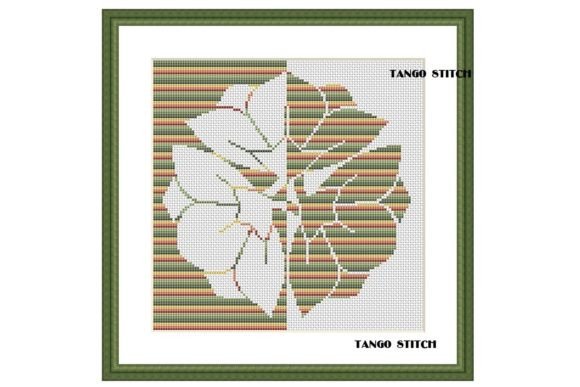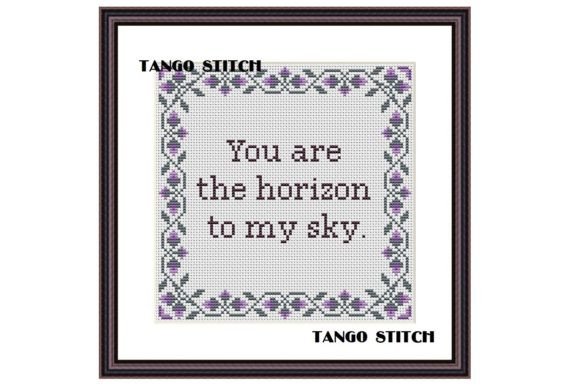
Orange Green Ornament Counted Embroidery
As an experienced embroidery designer who spends weekends setting up booths at local craft fairs, I am always scanning for designs that can transform a simple piece of fabric into a high-value handmade product. When I first encountered the Orange Green Ornament Counted Embroidery, specifically the Tango StitchEasy design which utilizes only full stitches, I immediately began visualizing it on my display table. It is rare to find a pattern that balances such bold color potential with a technical simplicity that appeals to both beginners and experts. In this review, I will break down how this specific cross-stitch pattern performs as a commercial asset for Etsy sellers, boutique makers, and creative entrepreneurs looking to stock their next market.
First Impressions: Bold, Rustic, and Festive
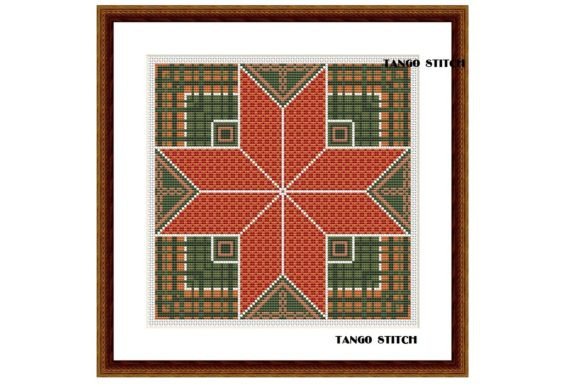
The title alone, Orange Green Ornament Counted Embroidery, suggests a palette that is warm, energetic, and potentially seasonal. The combination of orange and green often evokes feelings of harvest, rustic charm, or perhaps a unique twist on holiday decor. From a design perspective, the fact that this pattern uses only full stitches is a massive selling point. Full stitches create a solid, textured look that photographs beautifully, which is crucial for any Etsy seller relying on digital imagery to drive sales. Unlike complex satin stitches that can sometimes look flat or messy in low light, a dense field of full stitches offers a tactile depth that invites customers to reach out and touch the item.
This design feels distinctly farmhouse yet modern enough to fit into a contemporary home. It does not scream "novelty" but rather whispers "quality." For a booth display, items featuring this pattern would stand out against neutral backgrounds, drawing the eye through color contrast rather than just size. It is versatile enough to be perceived as a decorative accent or a statement piece, depending on where you place it.
Product Potential: Where This Design Shines
To maximize the return on your time investment, you must choose the right canvas. Based on the visual weight of an ornament motif, I have evaluated several craft fair product categories:
- Tote Bag Design: A large tote bag provides ample space for the Orange Green Ornament Counted Embroidery to breathe. Placing a centered design on a natural cotton tote creates a classic, reusable gift item that shoppers love. The durability of the full stitch ensures it withstands heavy use, adding value to the final price.
- Apron Embroidery: For kitchen-focused markets, this design works wonderfully on a linen apron. The orange and green tones complement food photography and kitchen aesthetics perfectly. It transforms a utilitarian garment into a commercial embroidery piece that feels artisanal.
- Tea Towel Embroidery: Tea towels are high-margin items. If the design is sized correctly, it can serve as a focal point on a folded towel. The contrast between the bright threads and white or cream fabric makes the colors pop, increasing the perceived value of the item.
- Embroidered Patch: Because the design relies on full stitches, it holds its shape well when cut out and backed. You could produce a set of these patches to sell separately or attach them to hats and jackets. Patches are excellent impulse buys at a busy booth.
- Pillow Covers and Market Bags: For larger displays, pillow covers allow for a more expansive interpretation of the pattern. Similarly, a sturdy market bag featuring this motif reinforces the eco-friendly message while showcasing your skill.
Production Practicality and Visual Appeal
One of the most critical factors for a successful handmade business is production efficiency. The description notes that this Cross Stitch Patterns graphic is suitable for both beginners and experts because it uses only full stitches. This simplicity translates directly to faster production times. You do not need to waste hours maneuvering complex needlework; you can focus on speed and consistency. This repeatability is essential for batch production, allowing you to create a cohesive collection of small shop products without burning out.
When photographing these items for online listings or creating a printable mockup, the solid nature of the full stitches captures light well. The design will appear crisp and clear, reducing the risk of blurry images that deter buyers. However, the success of the finished product depends heavily on execution. The vibrant orange and green threads must be balanced against the background fabric to ensure legibility. If the thread density is too low, the ornament may look sparse; if too high, the fabric might pucker.
Careful-Use Notes for Professional Results
Even the best embroidery file requires strategic planning. While this design is straightforward, there are areas where attention to detail is non-negotiable. First, consider the scale. If you attempt to shrink the Orange Green Ornament Counted Embroidery too much for a small cap or a tiny pouch, the individual stitches may merge, losing the definition of the ornament shape. Always test the design at the intended size before committing to a bulk run.
Fabric texture plays a significant role. On a thick, highly textured towel, the hoop might not sit flat, causing uneven tension. Dark fabrics can sometimes make the colors appear muted unless you use a high-density underlay or a very bright thread. Additionally, curved surfaces like caps require careful hooping techniques to prevent distortion. If the design includes tiny details or lettering (though this specific pattern focuses on the ornament), verify that these elements remain visible after washing. Dense stitch areas can sometimes cause fabric puckering if the wrong stabilizer is used, so selecting a tear-away or cut-away stabilizer appropriate for your fabric weight is vital.
Designer's Checklist for Success
Before you rush to print labels or list your items on Etsy, follow these professional steps to ensure your digital embroidery file yields a premium result:
- Test on Scrap Fabric: Always run a test stitch on a scrap piece of the actual fabric you plan to sell. This reveals issues with thread tension or color bleeding early.
- Check Thread Contrast: Ensure the orange and green threads stand out clearly against your chosen background. Sometimes a slightly different shade of green or orange is needed to achieve the desired pop.
- Review Spacing and Hoop Size: Confirm that your hoop size accommodates the design without cutting off edges. Leave enough margin around the design for framing or finishing.
- Inspect Stitch Density: Look at the finished sample under good lighting. Are the stitches uniform? Is the back side tidy? A clean back indicates high quality.
- Create Real Mockups: Don't rely solely on digital renderings. Create at least one physical sample to photograph. Customers trust photos of real objects over generated images.
- Confirm Commercial Licensing: Before selling handmade gifts or mass-producing items, double-check the license terms associated with the Orange Green Ornament Counted Embroidery design. Ensure you have the right to sell the finished goods.
In conclusion, the Orange Green Ornament Counted Embroidery represents a strong opportunity for creative entrepreneurs. Its bold color scheme, combined with the technical ease of full stitches, makes it an ideal candidate for a wide range of embroidery business products. Whether you are decorating a tea towel for a winter market or creating a line of embroidered patches for spring, this design has the versatility to elevate your brand. By paying attention to fabric selection, stabilization, and presentation, you can turn this simple pattern into a standout craft fair product that drives sales and builds customer loyalty.