Thai Ikat Paisley Embroidery Pattern Review
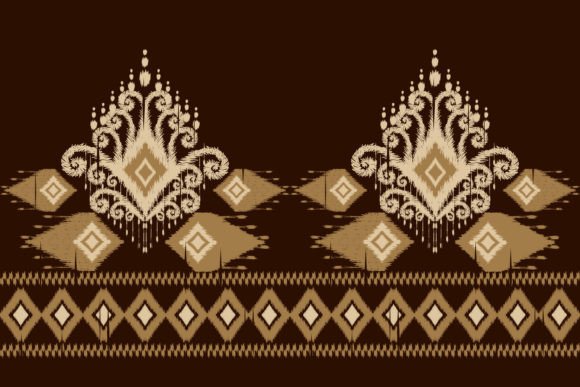
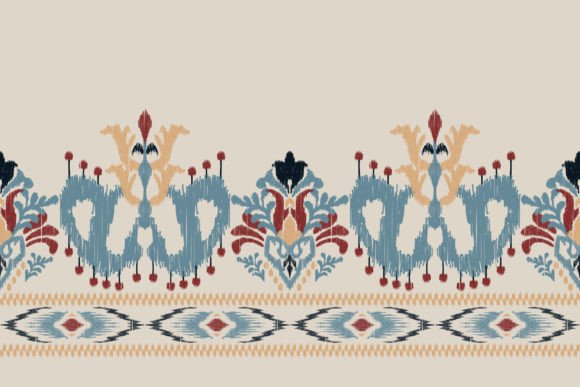
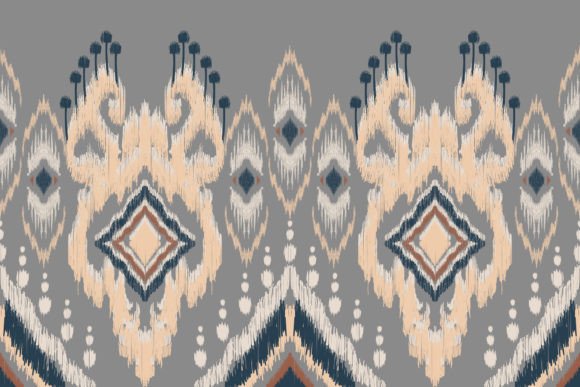
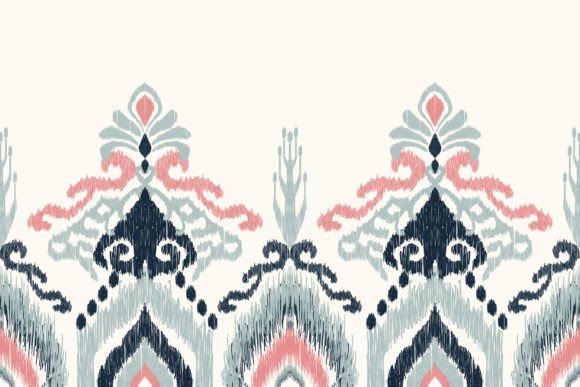
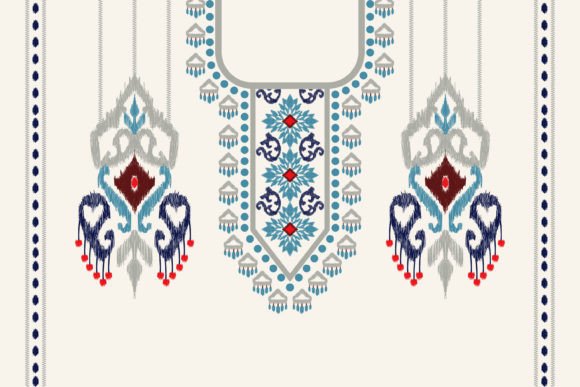
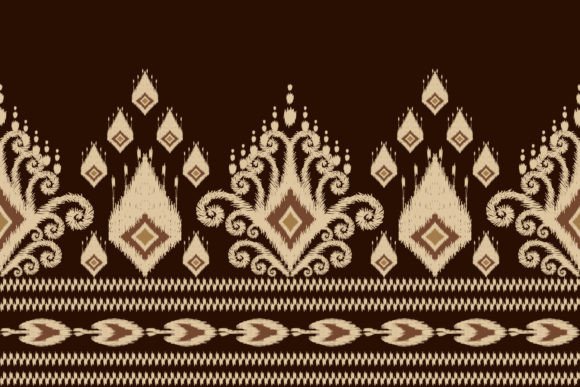
As an embroidery designer who has spent years refining the art of stitching, I recently encountered a design asset that immediately caught my eye: the Thai Ikat Paisley Embroidery Pattern. In the world of boutique apparel, finding a pattern that balances ethnic heritage with modern streetwear aesthetics is a challenge. This specific design, described as a geometric ethnic oriental seamless pattern with Aztec style abstract elements, presents a fascinating opportunity for small clothing brands and Etsy sellers looking to elevate their product lines.
I am currently planning a limited sweatshirt drop for a small online shop, focusing on cozy seasonal apparel and oversized hoodies. The goal was to create a collection that feels premium yet accessible, blending rustic charm with bold visual identity. Before committing this design to the production line, I conducted a thorough evaluation of how the Thai Ikat Paisley Embroidery Pattern would translate from a digital graphic to a tangible, finished product on fabric. Here is my professional assessment of its potential.
First Impressions and Design Personality
The initial reaction to the Thai Ikat Paisley Embroidery Pattern is one of rich texture and cultural depth. Unlike standard floral motifs or simple geometric shapes, this design carries a distinct mood. The description highlights "geometric ethnic oriental" elements mixed with an "Aztec style abstract vector." This fusion suggests a design that is both structured and fluid. For a boutique brand, this personality is gold; it allows for a narrative in the clothing itself.
When visualizing this on neutral sweatshirts, the brown background mentioned in the source description implies a warm, earthy foundation. If we were to digitize this into a machine embroidery design, the contrast against a cream or oatmeal hoodie would be striking, offering a rustic, artisanal feel. However, the true test lies in how the "ikat" effect translates to thread. Ikat patterns are traditionally defined by blurred edges created during dyeing. In embroidery, this requires careful stitch density management to mimic that soft, woven look without losing definition.
The design feels decorative but not overly fussy. It strikes a balance between feminine and playful, making it versatile enough for various demographics. Whether placed on a pastel-colored hoodie for a spring collection or on a dark charcoal fabric for a winter drop, the pattern's versatility shines. It avoids being too minimal while maintaining a clean, cohesive structure that works well for custom apparel branding.
Application on Sweatshirts and Hoodies
The primary use case for this design is undoubtedly sweatshirt embroidery. The seamless nature of the Thai Ikat Paisley Embroidery Pattern makes it particularly suitable for larger placements, such as back designs or all-over prints on oversized hoodies. For a chest placement, the geometric elements might need to be scaled down slightly to ensure they don't overwhelm the wearer's torso, but the paisley motif offers plenty of room for intricate detailing.
I envision using this as a statement piece on the back of a premium sweatshirt, perhaps centered just below the neckline. The ethnic and oriental influences would pair beautifully with lifestyle product photography featuring natural lighting and outdoor settings. It adds a layer of sophistication that elevates a basic garment into a handmade product with a story. For smaller shops, this kind of unique design asset helps differentiate products in a crowded marketplace like Etsy.
Beyond the main body, the pattern could serve as a sleeve accent or a cuff detail. The abstract vector quality ensures that even when reduced to a small size, the design retains its character. This is crucial for custom apparel where details matter. A small embroidered logo on the sleeve can signal quality to the customer before they even see the full garment. The pattern's ability to work as a texture for fabric, wrapping, or sarong decoration also suggests it holds up well under close inspection, which is vital for building buyer trust.
Technical Considerations for Production
While the aesthetic appeal is undeniable, moving from a digital file to a physical garment involves several practical concerns. As an experienced designer, I must evaluate the technical feasibility of the embroidery file before running it through the hoop.
- Thread Color Contrast: The original description mentions a brown background. In embroidery, we cannot simply print color; we must select thread colors that provide sufficient contrast against the base fabric. If the sweatshirt is dark, we will need lighter threads to make the paisley pop, whereas a light hoodie might require darker, richer tones to maintain the "ethnic" depth.
- Stitch Density and Fabric Thickness: Sweatshirt material is thick and often looped. High stitch density can cause the fabric to pucker or become stiff. The Thai Ikat Paisley Embroidery Pattern appears detailed, so we must ensure the digitization uses appropriate fill stitches that allow the fabric to breathe. Too much density could ruin the drape of an oversized hoodie.
- Stabilizer Choice: For heavy cotton blends found in premium hoodies, a cut-away stabilizer is essential to prevent distortion over time. The stability of the final product depends heavily on this choice.
- Hoop Size and Placement: Depending on the scale of the design, the hoop size will dictate where the design can be placed. Large seamless patterns may require a larger hoop or a multi-hooping technique, which increases production time. Small-size readability is another factor; if the design is too complex for a small chest pocket area, it may lose its impact.
- Washing Durability: Commercial embroidery must withstand repeated washing. The tightness of the stitches in this geometric pattern will determine if the design frays or fades. We need to verify that the file is optimized for durability.
It is important to note that exact stitch counts, file formats, and specific license terms are not provided in the initial description. Potential buyers, especially those running commercial embroidery businesses, should check these details before production to avoid compatibility issues.
Impact on Brand Identity and Value
For small business owners and creative entrepreneurs, the choice of design assets directly influences product value and customer engagement. Using a unique Thai Ikat Paisley Embroidery Pattern signals that the brand cares about authenticity and craftsmanship. It moves the product away from generic mass-produced items toward something that feels curated and exclusive.
This design has the power to enhance visual recognition. When customers see the distinctive blend of Aztec and Thai styles, they begin to associate that aesthetic with your brand. This builds a loyal community around your small shop product. Furthermore, the high-quality look of a well-executed embroidery design serves as a powerful marketing tool in mockup previews and Etsy listings. A crisp, detailed image of the finished product can significantly increase conversion rates.
In conclusion, the Thai Ikat Paisley Embroidery Pattern is a compelling addition to any boutique brand's toolkit. Its blend of traditional motifs and abstract geometry offers a fresh take on seasonal apparel. Whether used for a limited drop or a core collection, it provides the decorative flair needed to stand out. By carefully managing the technical aspects of thread colors, stitch density, and stabilizers, designers can transform this digital graphic into a stunning, durable, and commercially viable piece of wearable art. For those looking to add a touch of global elegance to their sweatshirt collections, this design is definitely worth exploring.