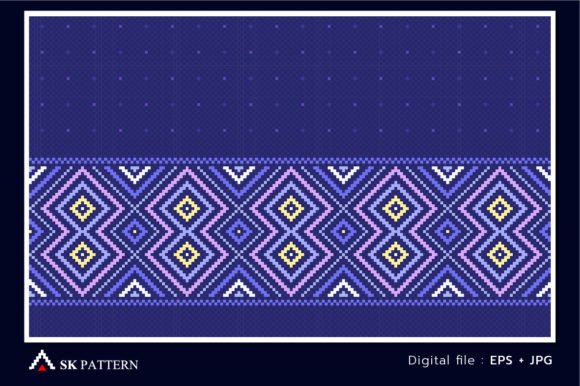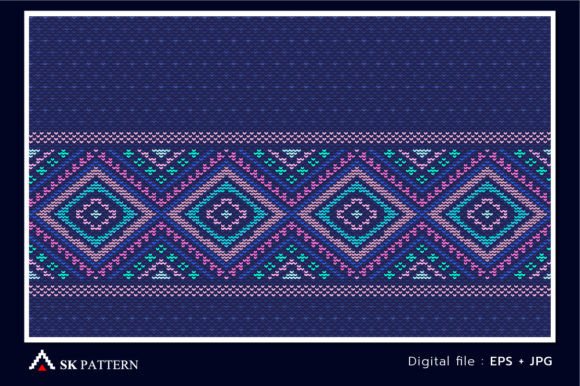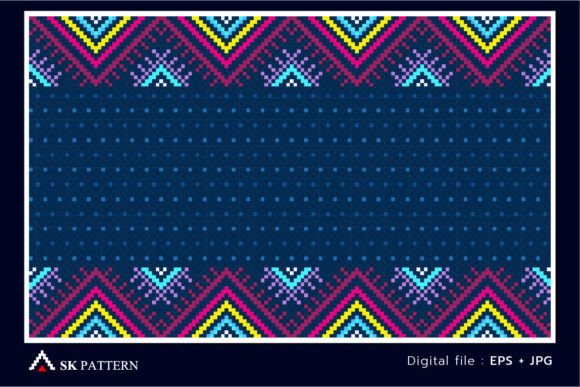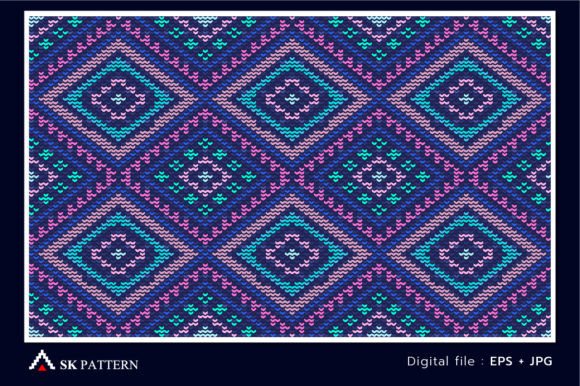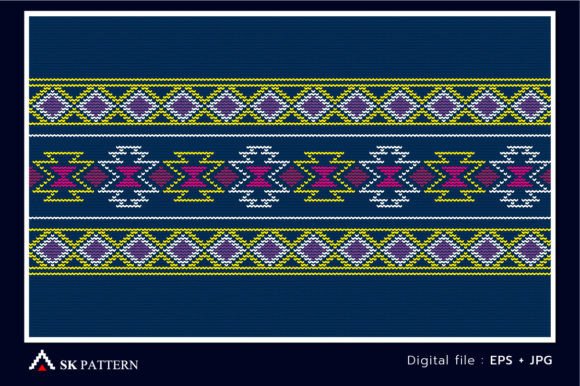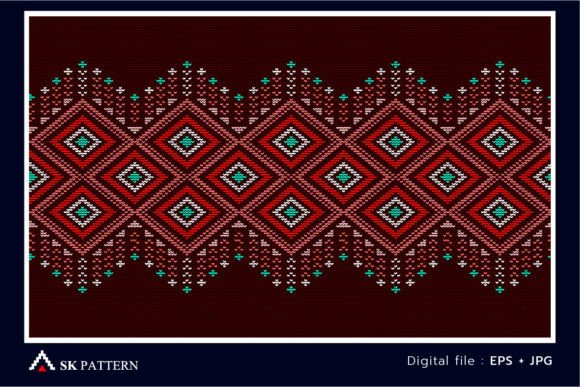
Embroidery Repetitive Boho Style Design Review
As an experienced embroidery designer preparing for a limited drop of premium sweatshirts for a boutique brand, I am constantly evaluating new assets to ensure they meet the high standards our customers expect. Recently, I came across Embroidery Repetitive Boho Style Design, a pattern intended for a variety of creative applications. While the product description lists it as perfect for wall art, floor pillows, throw blankets, tapestries, scarves, cushions, dresses, skirts, and gift wrapping, my primary focus was determining its viability for our upcoming apparel collection. This review breaks down exactly how this design translates from a digital graphic into a tangible, wearable piece of art.
First Impressions: The Mood and Aesthetic
The moment I opened the files, the name Embroidery Repetitive Boho Style Design immediately set the tone. It suggests a rhythm, a flow, and an organic feel that is essential for modern bohemian fashion. Unlike rigid geometric patterns, a repetitive boho motif usually implies soft curves, floral elements, or tribal-inspired lines that create a sense of movement. For a small clothing brand looking to establish a unique identity, this kind of visual language is powerful. It feels both rustic and playful, offering a decorative touch without being overly busy.
In terms of layout, a design labeled as "repetitive" often works best when it can be expanded or placed strategically on a garment. My initial assessment is that this pattern has the potential to look incredibly premium on neutral sweatshirts. Imagine a cream or oatmeal oversized hoodie with the boho pattern stitched in a contrasting earthy thread like terracotta or sage green. The repetition would create a textured background that catches the light differently than a standard flat print, adding depth to the finished product.
Application on Sweatshirts and Hoodies
When considering sweatshirt embroidery, the versatility of the design becomes apparent. For a boutique brand, we are not just selling clothes; we are selling a lifestyle. This design could serve multiple purposes within a single collection. On the chest, a smaller iteration of the pattern could act as a subtle logo mark, reinforcing the boutique brand identity without overwhelming the wearer. Alternatively, placing the full repetitive pattern on the back of an oversized hoodie creates a bold statement piece that stands out in lifestyle product photography.
I also envision using this as a sleeve accent. A vertical strip of the boho pattern running down the side of a pastel-colored sweatshirt adds a feminine and custom touch. This approach elevates a basic garment into a handmade product that feels exclusive. Whether you are an Etsy seller looking to differentiate your shop or a digital seller providing assets for others, understanding these placement options is crucial for maximizing the value of the embroidery file.
Technical Considerations for Commercial Use
Transitioning from a digital concept to a physical reality requires careful planning. The description mentions the inclusion of one EPS file and one JPG. While these formats are excellent for creating printable mockups and visualizing the final result, they do not necessarily confirm if the design is optimized for direct machine stitching. As a professional, I must remind any user to verify the actual stitch count, hoop size, and stabilizer requirements before production begins. If this is a true digital embroidery file ready for the machine, the thread color contrast will be key.
For machine embroidery design on thick fabrics like sweatshirt fleece, stitch density is a major concern. A repetitive pattern with too much fill can cause the fabric to pucker or lose its softness. However, if the design utilizes satin stitches for outlines and lighter fill stitches for the interior, it should maintain the cozy texture of the apparel. Choosing the right stabilizer is equally important to support the weight of the threads and ensure the design remains durable after washing. Without specific technical details provided in the listing, it is vital to test a sample on a scrap of the same fabric to check for readability and structural integrity.
Fabric Texture and Color Contrast
The beauty of boho designs lies in their ability to complement various fabric textures. On dark fabric, such as charcoal or navy, the design needs high-contrast thread colors to pop. Lighter threads might get lost in the weave of a heavy cotton blend. Conversely, on pastel colors or white hoodies, darker or metallic threads can make the pattern look sophisticated and luxurious. The repetitive nature of the design allows for creative color blocking, where different sections of the pattern use different shades to create a gradient effect.
Small-size readability is another factor to consider. If the pattern is intricate, scaling it down for a small child's garment or a tiny logo patch might result in a muddy appearance. It is likely best suited for medium to large placements where the details of the boho style can breathe. This ensures that the finished product retains its crisp definition and looks professional under close inspection.
Impact on Brand Identity and Customer Trust
In the world of custom apparel and handmade goods, the quality of the design directly influences buyer trust. A well-executed commercial embroidery project signals attention to detail and care in production. When customers see a cohesive pattern like Embroidery Repetive Boho Style Design applied correctly, it enhances the perceived value of the item. It transforms a simple sweatshirt into a curated piece of art that aligns with current trends in cozy seasonal apparel.
For an Etsy seller or a small shop product owner, utilizing high-quality design assets helps build visual recognition. Consistent use of a signature pattern across a line of products—from tote bags to hoodies—creates a recognizable aesthetic that encourages customer engagement and repeat business. The design serves as a visual anchor for the brand, making it instantly identifiable in a crowded marketplace.
Final Thoughts on Versatility
While the product description highlights uses for home decor like tapestries and cushions, the adaptability of Embroidery Repetitive Boho Style Design makes it a strong candidate for apparel decoration. Its bohemian charm fits perfectly with the growing demand for unique, artisanal clothing. Whether used for hoodie design accents, back prints, or full-body statements, the pattern offers a decorative flair that resonates with modern consumers.
Before committing to a full production run, I strongly advise checking the specific file specifications regarding stitch counts and format compatibility. Assuming the technical details align with industry standards for apparel decorators, this design has the potential to be a standout addition to any creative entrepreneur's toolkit. It bridges the gap between digital convenience and tactile craftsmanship, offering a versatile solution for those who want to elevate their handmade product offerings with a touch of boho elegance.