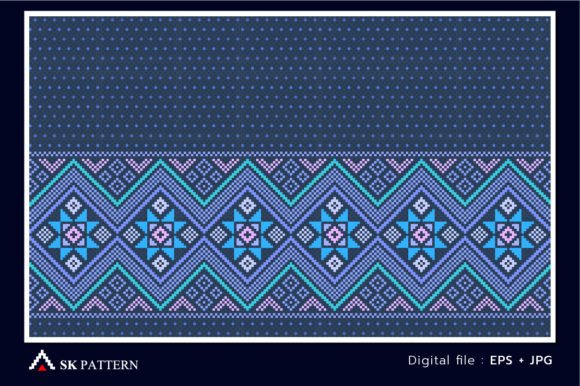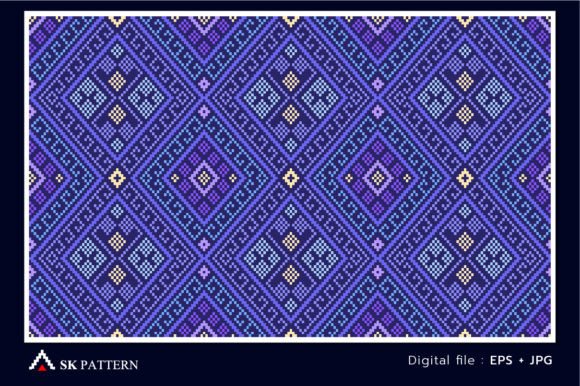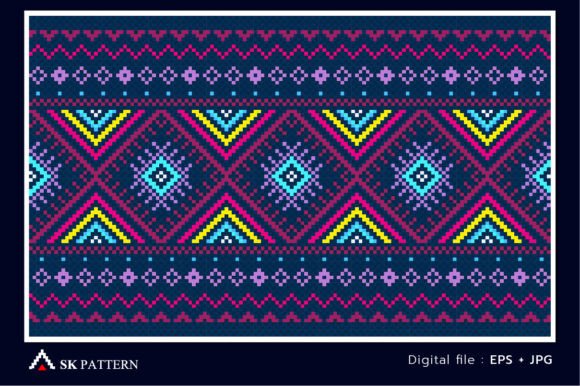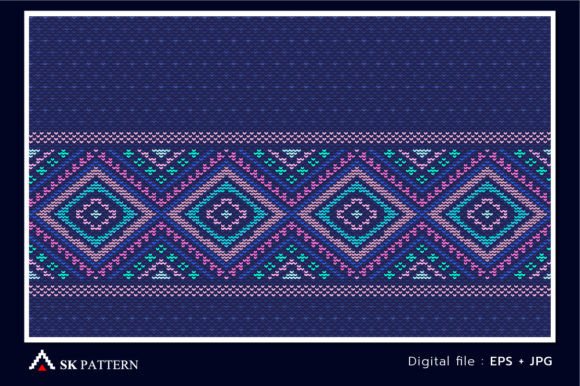
Ethnic Pattern Vector Embroidery Design Review
As an experienced embroidery designer who has spent years refining designs for small business merchandise, I approach every new asset with a critical eye. When I first encountered the Ethnic Pattern Vector Embroidery Design, my immediate thought was about its potential for branding rather than just decoration. In the world of handmade products and boutique retail, visual consistency is the difference between a hobbyist project and a professional brand. This review explores how this design performs when translated from a digital file to physical goods like branded patches, staff uniforms, and custom apparel.
First Impressions: A Versatile Visual Identity
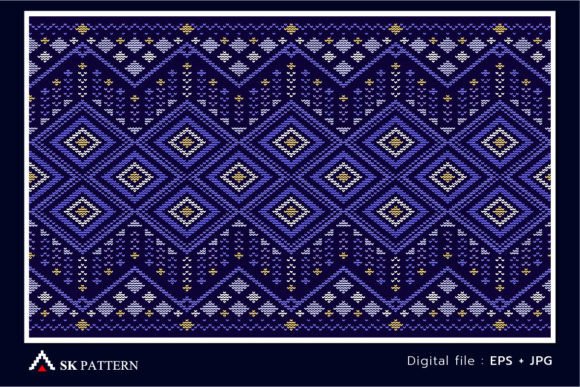
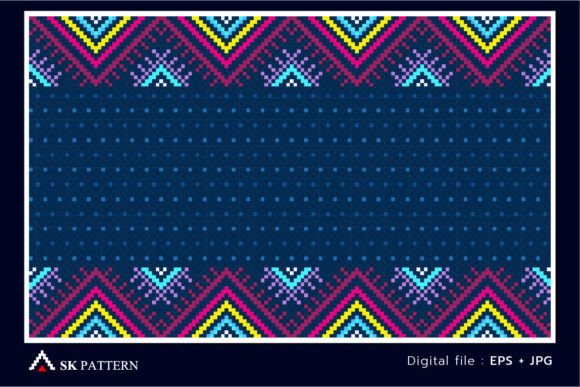
The title Ethnic Pattern Vector Embroidery Design suggests a blend of cultural heritage and modern vector precision. From a design perspective, patterns labeled as "ethnic" often carry a sense of warmth, authenticity, and artisanal quality. For a small business owner looking to create a brand identity that feels grounded yet premium, this aesthetic is powerful. It does not scream "mass-produced"; instead, it whispers "handcrafted."
When evaluating this asset for use on custom apparel or embroidered patch applications, the first consideration is versatility. The description highlights its suitability for wall art, floor pillows, and scarves, which implies a high level of detail and texture. However, in the context of commercial embroidery, we must ask: does this pattern translate well to thread? A design that looks beautiful as a flat print can sometimes lose its impact when stitched due to stitch density issues. Based on the nature of ethnic patterns, I anticipate this design offers strong geometric or organic lines that work exceptionally well for tote bag design accents or as a background texture on aprons.
Real-World Application for Small Business Merch
Imagine a local coffee shop or a boutique florist wanting to elevate their customer experience. They need more than just a logo; they need a cohesive look across all touchpoints. The Ethnic Pattern Vector Embroidery Design shines here as a secondary motif or a primary branding element.
- Branded Patches: One of the most effective uses for this pattern is creating a sew-on patch for the chest of a uniform or the back of a cap. The intricate details typical of ethnic patterns allow for a rich, textured look that stands out against denim or twill fabrics. This creates a tactile connection with the customer, reinforcing the value of the finished product.
- Staff Uniforms and Aprons: For bakeries or restaurants, applying this design to apron pockets or sleeve cuffs adds a layer of professionalism. It signals that the business cares about aesthetics. Unlike a simple text logo, a pattern like this creates a memorable visual signature that customers associate with quality service.
- Tote Bags and Product Packaging: Small businesses often sell tote bags as affordable merch. Using this pattern as an all-over fill or a large central block transforms a plain canvas bag into a statement piece. Similarly, using it on product labels or gift wrapping paper (via printable mockups) ensures that the unboxing experience feels luxurious.
- Etsy Branding: For sellers on platforms like Etsy, visual distinctiveness is key. Incorporating this design into product photography backgrounds or digital assets helps establish a consistent theme that builds trust and recognition among buyers.
Strategic Considerations and Limitations
While the potential is high, an honest review must address where caution is required. Not every surface is suitable for complex pattern work. When planning to use the Ethnic Pattern Vector Embroidery Design for specific items, you must consider the following constraints:
- Small Patch Sizes: If you intend to make very small patches (under 2 inches), be wary of the design's complexity. Fine lines in ethnic patterns can merge together during stitching if the scale is too small, resulting in a muddy appearance. Always test at the intended size before full production.
- Curved Surfaces: Applying detailed patterns to the front of caps or curved hat panels requires significant technical skill. The distortion inherent in curved surfaces can stretch the pattern, altering its symmetry. It is often better suited for flat areas like tote bags or the flat front panel of a shirt.
- High Stitch Density: Ethnic patterns often feature dense fills. On dark uniforms or textured fabrics, high stitch density can cause puckering or make the fabric feel stiff. You may need to adjust the stitch density or reduce the coverage area to maintain the drape of the garment.
- Frequent Washing: For items like work shirts or kitchen aprons that undergo frequent laundering, ensure the design is anchored properly. Intricate patterns with many directional stitches are more prone to snagging if not stabilized correctly.
Impact on Brand Perception and Value
In the marketplace, the quality of your embroidery directly influences customer trust. A sloppy stitch job on a cheap-looking item can devalue a brand, but a well-executed pattern like the Ethnic Pattern Vector Embroidery Design elevates perceived value. When a customer touches a handmade product with a sophisticated, culturally rich design, they perceive the business as established and thoughtful.
This design fosters visual consistency across different media. Whether it appears on a digital embroidery file for a website mockup or on a physical embroidered patch, the recurring motif reinforces brand recall. It moves the brand away from generic templates and towards a unique identity that competitors cannot easily replicate.
Practical Designer Notes for Production
Before committing to a bulk run of merchandise, follow these essential steps to ensure success with this asset:
- Test in Black and White: Convert the design to monochrome first. This helps you see if the contrast holds up without relying on color. If the shapes don't read clearly in black and white, they will struggle with thread colors.
- Check Thread Color Contrast: Ensure the chosen thread colors pop against the base fabric. Dark threads on dark fabric or light threads on light fabric can render the pattern invisible.
- Inspect Spacing and Hoop Size: Verify that the design fits within your machine's hoop dimensions. Large patterns may require multi-hoop setups, which can introduce alignment errors. Check the spacing to ensure no elements are cut off at the edges.
- Use Proper Stabilizer: For detailed patterns, a high-quality stabilizer is non-negotiable. Use tear-away or cut-away backing depending on the fabric type to prevent the embroidery design from distorting.
- Create a Printable Mockup: Before stitching, generate a printable mockup to show clients or stakeholders. This allows for approval on placement and scale without wasting expensive thread and time.
- Confirm Commercial Licensing: Since this is for small business merch, verify the licensing terms. Ensure you have the right to sell finished goods featuring this design.
The files included are listed as one EPS file and one JPG. While the EPS format is excellent for scaling and editing, remember that vector files do not contain stitch data. You will likely need to digitize the vector artwork into a machine-readable format (like .DST, .PES, or .EXP) specifically tailored for your embroidery machine. If you are purchasing this as a pre-digitized file, double-check the instructions to ensure the conversion process preserves the integrity of the Ethnic Pattern Vector Embroidery Design.
Final Thoughts on Design Assets
The Ethnic Pattern Vector Embroidery Design represents a valuable addition to any design assets library for creators. Its ability to bridge the gap between traditional aesthetics and modern commercial needs makes it a strong candidate for diverse applications, from apron embroidery to cap embroidery. By understanding its strengths and limitations, small business owners can leverage this pattern to create professional, high-value merchandise that resonates with their target audience. Whether you are launching a new line of gift wrapping accessories or upgrading your staff uniforms, this design offers the visual depth necessary to stand out in a crowded market.