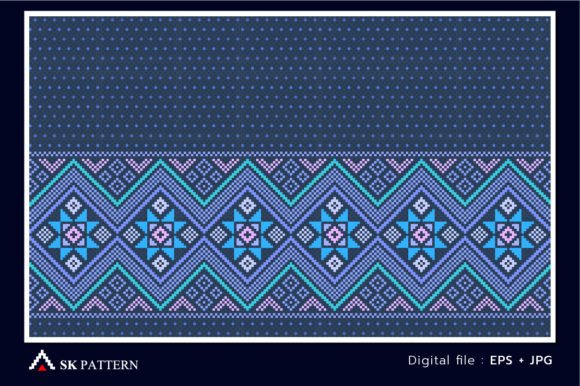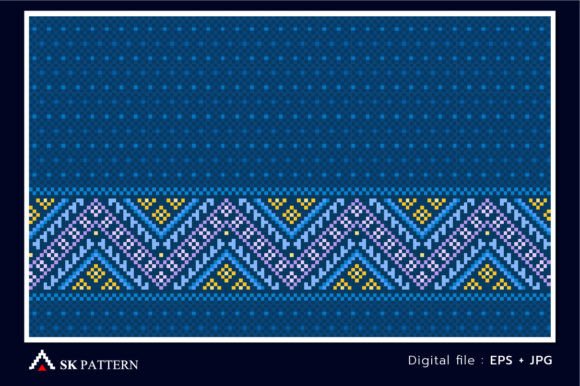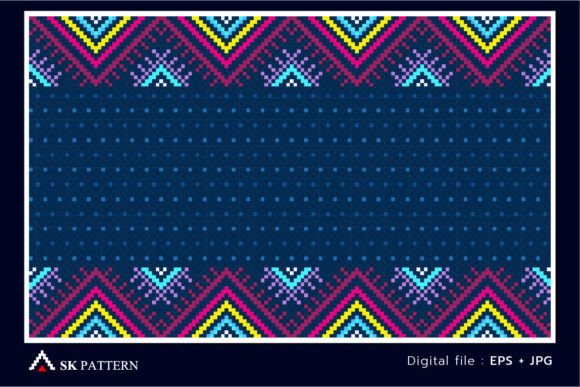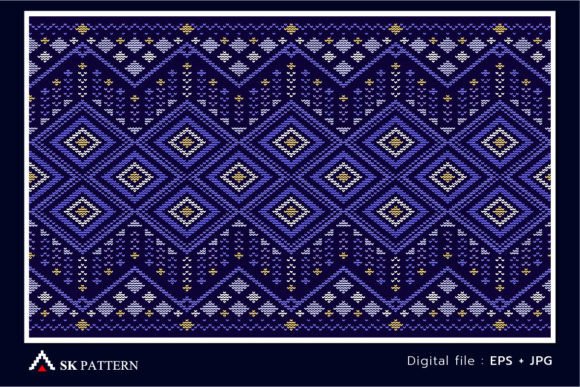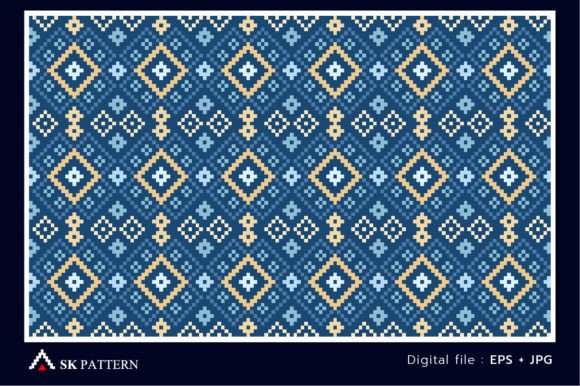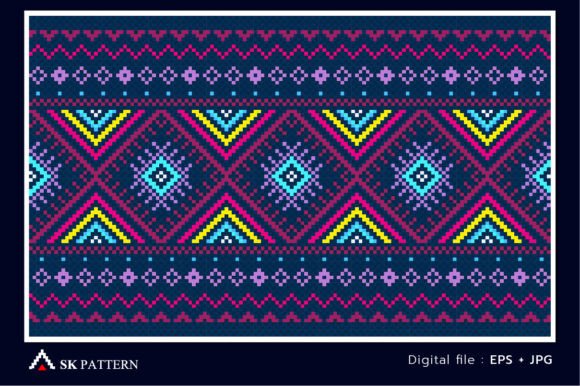
Pixel Embroidery Ethnic Pattern Vector Review
As a professional embroidery designer who has spent years refining designs for small business merchandise and branded patches, I approach every new asset with a critical eye. When evaluating the Pixel Embroidery Ethnic Pattern Vector, I am looking beyond simple aesthetics to determine its viability as a commercial tool. This review focuses on how this design functions in real-world applications, from embroidered patches and staff uniforms to high-end tote bags and boutique product labels.
First Impressions: A Blend of Tradition and Modernity
The moment you preview the Pixel Embroidery Ethnic Pattern Vector, the name suggests a fascinating duality. The term "Pixel" implies a modern, digital precision, while "Ethnic Pattern" evokes a sense of heritage, warmth, and handcrafted authenticity. In the context of small business merch, this combination is powerful. It does not feel like a generic clip art; it feels like a deliberate design choice that bridges the gap between rustic charm and contemporary branding.
For a creative studio or a handmade brand, this pattern offers a visual personality that is both bold and elegant. It is versatile enough to serve as a subtle background texture on a throw blanket or as a striking accent on a custom apron. The description highlights its suitability for wall art, floor pillows, and scarves, but for an embroidery specialist, the true value lies in its potential as a digital embroidery file. The promise of a clean vector format suggests that the outlines should be sharp, which is crucial when converting a graphic into a machine embroidery design.
Real-World Application for Small Business Merch
Imagine a local café or a boutique florist wanting to elevate their brand identity. They need more than just a logo; they need a cohesive visual language. The Pixel Embroidery Ethnic Pattern Vector can act as a foundational element for a complete merchandise line. Here is how this design performs in specific business scenarios:
- Embroidered Patches: One of the most effective uses is creating custom embroidered patches. The ethnic nature of the pattern allows it to stand out on denim jackets, canvas backpacks, or leather goods. Unlike a standard logo, a patterned patch adds depth and texture, making it a premium add-on for customers.
- Staff Uniforms and Aprons: For a bakery or restaurant, adding this pattern to the chest pocket area of a work shirt or along the hem of an apron creates a uniform look without being overwhelming. It signals professionalism and attention to detail to every customer who walks through the door.
- Caps and Headwear: Cap embroidery often struggles with complex details. However, if the stitch density of the Pixel Embroidery Ethnic Pattern Vector is balanced correctly, it can create a stunning focal point on a trucker hat or a fitted cap, serving as a unique identifier for a team or event.
- Tote Bag Design: Tote bags are a staple for Etsy sellers and craft businesses. Using this pattern for a large-scale embroidery piece transforms a plain canvas bag into a statement accessory. It elevates the perceived value of the item, allowing the business to charge a premium price.
- Product Packaging Accents: Beyond apparel, this design works beautifully on fabric gift tags, ribbon accents, or even as a printed backing for product cards. It reinforces the brand identity at the exact moment the customer unboxes their purchase.
Strategic Use Cases for Brand Identity
When used correctly, this design asset does more than decorate; it builds trust. Customers associate high-quality embroidery with durability and care. By incorporating the Pixel Embroidery Ethnic Pattern Vector into their product line, small business owners signal that they value quality craftsmanship. Whether it is a pet brand using it on bandanas or a florist using it on seed packets, the consistent use of this graphic helps establish visual consistency across all touchpoints.
The pattern's versatility supports various themes. It can be playful for a children's clothing line, classic for a heritage brand, or modern for a tech-focused startup looking to humanize their image. The key is understanding how the pattern interacts with the thread colors chosen. High contrast ensures the design pops, while tonal threads offer a sophisticated, low-key luxury feel.
Critical Considerations and Limitations
While the potential is high, an experienced designer must exercise caution. Not every design translates perfectly from screen to fabric. There are specific areas where the Pixel Embroidery Ethnic Pattern Vector requires careful handling to avoid production failures.
Small Patch Sizes: If you attempt to digitize this pattern for a very small patch (under one inch), fine details may get lost. The "pixel" aspect might result in jagged edges if the stitch count is too low. Always ensure the design is simplified before stitching on tiny surfaces.
Curved Surfaces: Embroidering on the front of a curved cap or a rounded bottle requires precise hoop placement. Complex patterns can distort on curved fabrics if the stabilizer is not rigid enough. Test the design on scrap fabric first to see how the pattern stretches.
High Stitch Density: Ethnic patterns often feature intricate lines. If the design is too dense, it can cause puckering on lightweight fabrics like silk scarves or thin cotton dresses. You must adjust the underlay stitches to prevent the fabric from pulling.
Fabric Texture and Washing: On textured fabrics like wool or heavy denim, the definition of the pattern may vary. Additionally, items that undergo frequent washing, such as work shirts or aprons, require robust stabilization. Without proper care, detailed outlines may fray or lose definition over time.
Practical Designer Notes for Production
Before committing to a full production run, follow these essential steps to ensure the Pixel Embroidery Ethnic Pattern Vector delivers the best results:
- Test in Black and White: Convert the design to grayscale first. This helps you visualize the stitch density and spacing without the distraction of color. It reveals if the pattern is too busy or if there are gaps that need filling.
- Check File Specifications: The product description mentions an EPS file and a JPG. Ensure the EPS file is suitable for digitizing. If you do not have the exact stitch count or recommended hoop size included in the download, you will need to digitize it yourself or consult a pro.
- Review Thread Color Contrast: Select thread colors that complement the intended fabric. Dark uniforms require bright threads to make the design visible, while light fabrics can handle softer, muted tones.
- Inspect Spacing and Stabilizer: Verify that the spacing between elements is wide enough to accommodate the needle movement. Choose a stabilizer that matches the weight of your fabric—cut-away for stretchy knits and tear-away for stable wovens.
- Create a Printable Mockup: Before stitching, generate a printable mockup for client approval. This allows stakeholders to see the design on the actual product (e.g., a tote bag or cap) without wasting expensive materials.
- Confirm Commercial Licensing: Most importantly, verify the license terms. Ensure you have the right to use the commercial embroidery design on products you intend to sell. Do not assume that buying the graphics grants unlimited rights for merchandise.
Final Thoughts on Value and Engagement
The Pixel Embroidery Ethnic Pattern Vector represents a valuable addition to any designer's library of design assets. It offers a unique aesthetic that resonates with consumers seeking authentic, handmade products. When applied thoughtfully to custom apparel, tote bag designs, or branded patches, it transforms standard items into memorable brand experiences.
By adhering to professional digitization standards and testing thoroughly, small business owners can leverage this pattern to enhance their finished product quality. It is a tool that, when used wisely, drives customer engagement and solidifies a brand's reputation for excellence in the competitive world of handmade and custom goods.