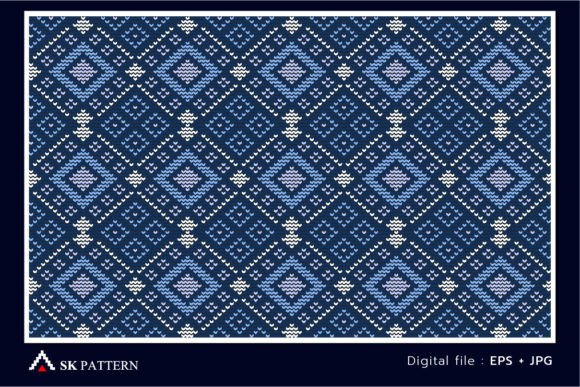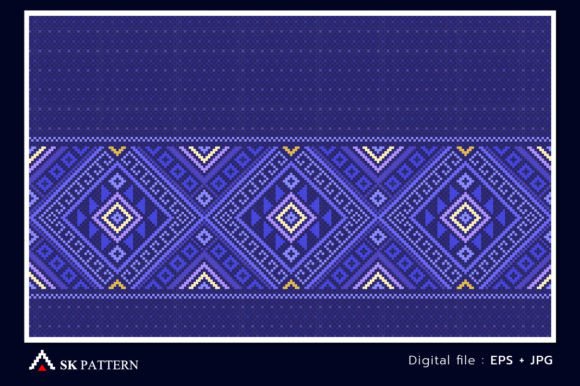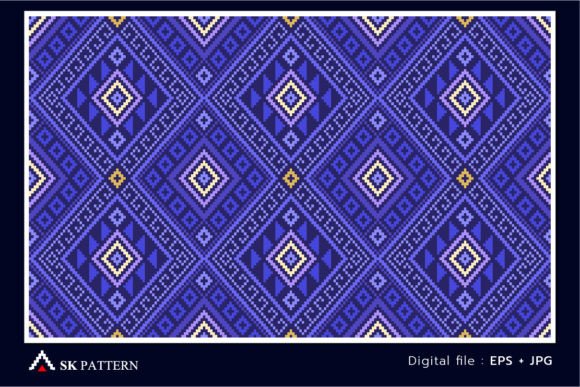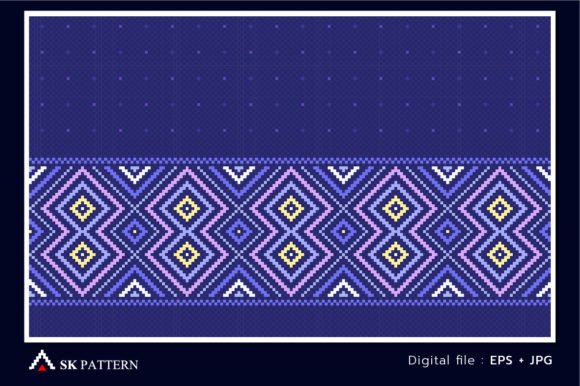
Rhombus Embroidery Antique Background Review
As an experienced embroidery designer who has spent years crafting digital assets for commercial use, I approach every new file with a critical eye. When evaluating Rhombus Embroidery Antique Background, my goal is not just to admire the aesthetics but to determine its viability for real-world small business applications. This review focuses on how this specific design performs when translated from a digital graphic into a tangible product like a patch, a branded tote bag, or a staff uniform.
First Impressions: The Visual Personality of Rhombus Embroidery Antique Background
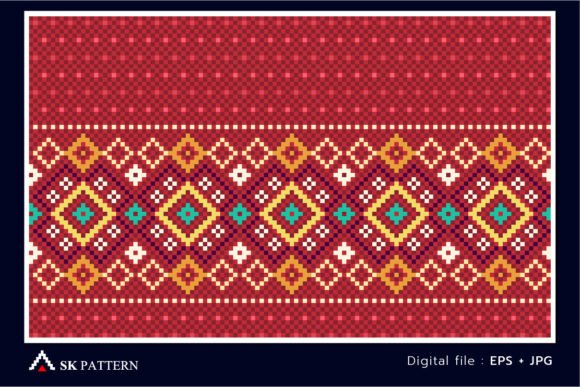
The title Rhombus Embroidery Antique Background immediately suggests a design that balances geometric precision with a sense of history. In the world of branding, "antique" often signals trustworthiness, heritage, and quality. For a small business owner looking to elevate their brand identity, this pattern offers a sophisticated backdrop that feels premium rather than mass-produced. It is neither overly playful nor strictly modern; instead, it occupies a space of elegant timelessness.
When reviewing the included files—a single EPS file and a JPG—the first thing a designer looks for is clarity. The description notes its suitability for wall art, floor pillows, and tapestries, which implies a certain level of detail. However, in our industry, we know that what works beautifully as a flat print does not always translate perfectly to thread. The rhombus shape provides a strong structural element that can anchor a logo or serve as a standalone decorative accent. It feels professional enough for a high-end boutique yet rustic enough for a handmade craft shop.
Real-World Business Applications for Small Brands
The true test of any embroidery file is its performance across various merchandise categories. Imagine a local café wanting to upgrade their staff uniforms. Rhombus Embroidery Antique Background could serve as an excellent chest logo accent or a subtle texture behind a primary emblem on work shirts. The antique aesthetic pairs well with coffee culture, suggesting a warm, inviting atmosphere that encourages customer loyalty.
For apparel decorators and Etsy sellers, this design shines as a versatile asset for custom apparel. Consider a florist or a bakery creating branded product labels. Placing a small iteration of this pattern on the neck label of a tote bag or the corner of a gift wrap adds a layer of perceived value. Customers often associate detailed embroidery with durability and care. By using Rhombus Embroidery Antique Background on items like aprons, caps, and tote bags, businesses signal that they pay attention to detail.
This pattern is also ideal for embroidered patches. A patch featuring this design could be applied to denim jackets, backpacks, or even the lids of storage containers for wholesale goods. As a design asset for a creative studio, it allows for consistent visual communication across different touchpoints. Whether used on a dress, a skirt, or a cushion, the pattern maintains its integrity, helping to build a cohesive brand image that customers can recognize instantly.
Where to Exercise Caution
While the potential is high, there are specific scenarios where Rhombus Embroidery Antique Background requires careful consideration. One of the most common pitfalls in commercial embroidery is scaling a complex design down too far. If you intend to use this for tiny lettering accents or very small patch sizes, the intricate nature of an "antique" background might become muddy. The fine details could merge together, losing the definition that makes the design attractive.
Curved surfaces, such as the front of a cap, present another challenge. While the rhombus shape is geometric, if the background relies on dense stitching, it may not lay flat against the curve without causing puckering. High stitch density designs require robust stabilizers and precise hooping. If the fabric texture is highly variable, like a rough canvas or a soft fleece, the sharp lines of the rhombus might get lost in the weave.
Furthermore, dark uniforms demand a different approach. If the design relies on light threads to create contrast, it may not pop against a black or navy shirt without a heavy underlay. Frequent washing can also affect the longevity of detailed backgrounds. Over time, the friction from laundering might cause the edges of the stitches to fray if the density is not optimized. Always inspect the spacing and thread color contrast before committing to a large production run.
Impact on Brand Identity and Customer Trust
In the competitive landscape of handmade products and small business merch, presentation is everything. Using a well-executed machine embroidery design elevates the finished product from a commodity to a keepsake. When a customer receives a tote bag with a crisp, professionally stitched Rhombus Embroidery Antique Background, they perceive higher value. This perception directly influences buyer engagement and repeat purchases.
A consistent visual style builds recognition. If your brand uses this pattern on your website mockups, your social media images, and your physical products, you create a unified experience. It tells the story of a brand that values tradition and craftsmanship. This emotional connection fosters trust. Customers are more likely to recommend a business that takes pride in the tactile quality of its goods. The antique feel of this design specifically appeals to buyers looking for authenticity in a digital world.
Practical Designer Notes for Production
Before you rush to produce branded merchandise, follow these essential steps to ensure success with Rhombus Embroidery Antique Background.
- Test in Black and White: Convert the design to grayscale to check contrast levels. Ensure the pattern remains distinct without relying solely on color.
- Check Small Scale Viability: Create a printable mockup at the intended final size. Does the pattern hold up when reduced? If not, consider simplifying the background elements.
- Review Thread Colors: Select thread colors that complement your brand palette while maintaining readability. High contrast is usually safer for intricate patterns.
- Inspect Spacing and Hoop Size: Confirm that the design fits within your standard hoop sizes. Avoid designs that require multiple hoops unless necessary, as alignment issues can ruin the look.
- Test on Real Fabric: Do not rely solely on digital previews. Stitch the design on the actual fabric you plan to use, including the correct stabilizer. This reveals how the fabric texture interacts with the stitches.
- Verify Licensing: Ensure you have the proper commercial licensing to sell products made with this design. Check the terms regarding the number of units you can produce.
If the product description mentions only one EPS and one JPG file, remember to verify the digitization specifics. You may need to adjust the stitch count or density settings depending on your machine capabilities. Comparing this design beside other design assets in your library will help you decide if it fits the current collection.
Final Thoughts for Merch Creators
Rhombus Embroidery Antique Background is a powerful tool for small business owners seeking to add depth and character to their offerings. From apron embroidery to tote bag design, it offers a blend of classic style and modern utility. By understanding its strengths and limitations, you can leverage this pattern to create memorable, high-quality products that stand out in a crowded marketplace. Whether you are a pet brand, a creative studio, or a local shop, integrating this pattern thoughtfully can significantly enhance your finished product and strengthen your brand identity.