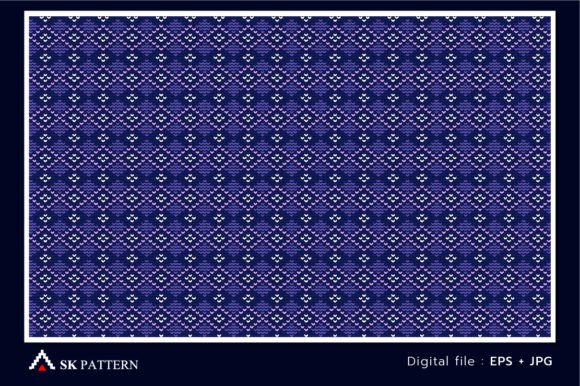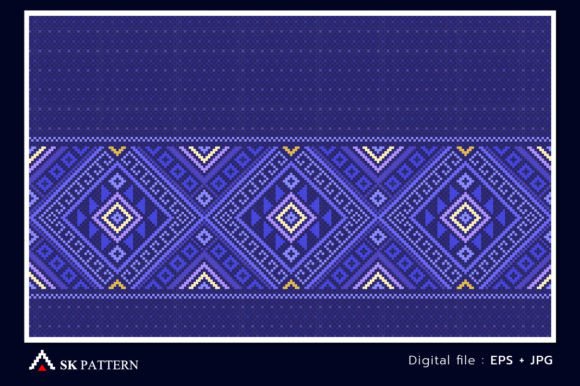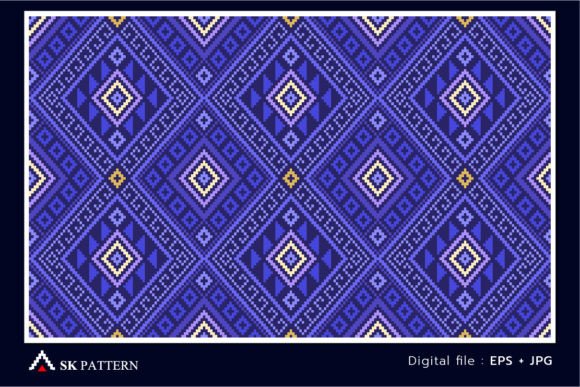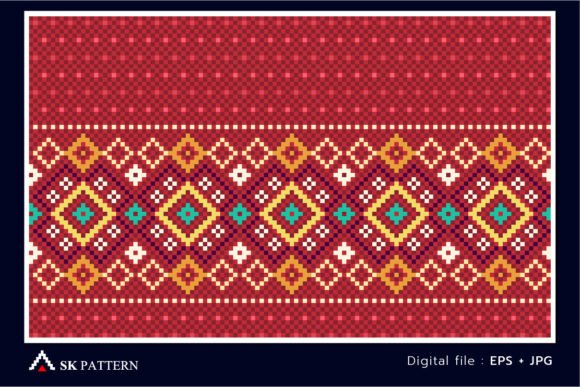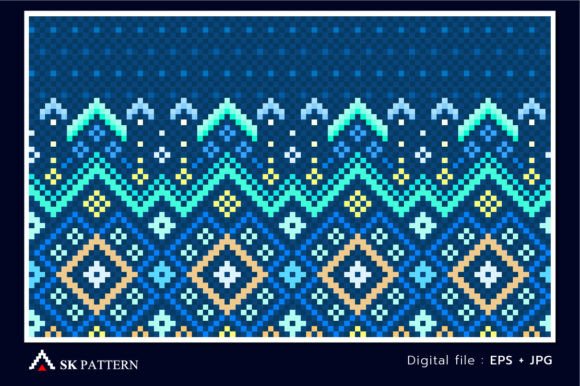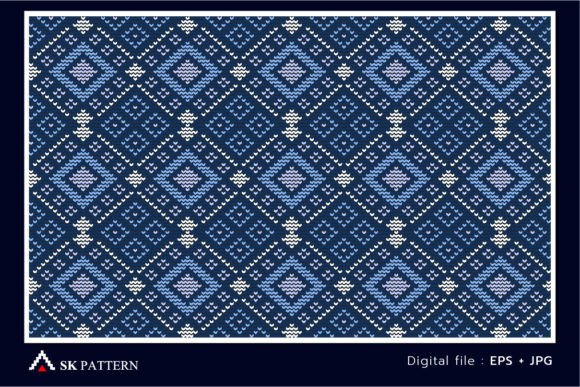
Rhombus Embroidery Diagonal Background Review
As an experienced embroidery designer who has spent years refining the art of turning digital files into tangible brand assets, I approach every new design with a critical eye. When evaluating Rhombus Embroidery Diagonal Background, I am not just looking at aesthetics; I am analyzing its potential to elevate small business merchandise, create durable branded patches, and enhance product labels for handmade brands. This review focuses on how this specific pattern performs in real-world commercial applications, from boutique apparel to staff uniforms.
First Impressions: Professional Yet Versatile
The title Rhombus Embroidery Diagonal Background immediately suggests structure and movement. In the world of visual identity, diagonal lines often convey energy and modernity, while the rhombus shape offers a sense of stability and precision. My initial assessment is that this design feels both professional and friendly. It avoids the overly rigid look of corporate geometric patterns while maintaining enough structure to look premium rather than playful or amateurish.
This balance is crucial for businesses ranging from creative studios to local bakeries. The description mentions its suitability for wall art, floor pillows, throw blankets, tapestries, scarves, cushions, dresses, skirts, and gift wrapping. This versatility signals that the design is robust enough for home decor but adaptable enough for wearable goods. For an embroidery shop owner, this means one file can potentially serve multiple departments of a store, reducing inventory costs and streamlining production workflows.
Real-World Business Applications
To truly understand the value of Rhombus Embroidery Diagonal Background, we must imagine it applied to actual products. Let us consider a scenario involving a trendy coffee shop or a boutique florist. These businesses often rely on embroidered patches to build community and recognition. This pattern could serve as an excellent background element for a patch featuring a logo in the center. The diagonal flow would guide the eye toward the central icon without overpowering it.
For staff uniforms, this design works exceptionally well as a chest logo accent or a sleeve detail. Imagine a high-quality work shirt for a barista where the shoulder features a subtle machine embroidery design of this rhombus pattern. It adds a layer of texture and depth that flat printing cannot achieve. Similarly, for cap embroidery, the diagonal orientation can wrap beautifully around the curved front panel, creating a dynamic look that stands out against standard vertical stitching.
Tote bags are another powerhouse category for this asset. A tote bag design featuring Rhombus Embroidery Diagonal Background as a large-scale backdrop creates a statement piece that customers want to carry. It transforms a simple canvas bag into a branded fashion accessory. Furthermore, for apron embroidery in cafes or craft workshops, this pattern can be used as a border or a full-body fill, adding a polished finish to functional clothing.
In the realm of product packaging, using this design as a printed label or a stitched tag on gift wrapping elevates the unboxing experience. It signals to the buyer that attention to detail is paramount. Whether you are selling handmade jewelry, pet accessories, or custom apparel, incorporating this digital embroidery file into your branding strategy reinforces a cohesive visual language.
Strategic Considerations and Limitations
While the potential is high, a professional designer knows that not every application is suitable. There are specific scenarios where Rhombus Embroidery Diagonal Background requires careful handling. Small patch sizes are a primary concern. If the design is scaled down too much, the diagonal lines may merge, losing their definition and appearing as a muddy blob. Before committing to mass production, you must test the design at its intended final size.
Curved surfaces like caps present another challenge. While the diagonal angle is generally forgiving, extreme curvature can distort the geometry if the digitization is not optimized. Additionally, items that require frequent washing, such as daily wear work shirts, demand a stitch density that balances durability with fabric flexibility. High stitch density in a large area can cause puckering, especially on lightweight fabrics. Therefore, inspecting the spacing and confirming the hoop size before production is essential.
Dark uniforms also pose a color contrast issue. If the background is meant to be light thread on dark fabric, you will need a substantial underlay to prevent the fabric color from showing through. Conversely, light backgrounds on dark garments might require a heavy cover-up, which can add stiffness to the fabric. Always review thread color contrast against your target material to ensure the design remains legible and vibrant.
Impact on Brand Identity and Customer Trust
In the competitive landscape of small business merch, visual consistency is key to building customer trust. A well-executed embroidered patch or custom apparel piece demonstrates quality and professionalism. When customers see a consistent use of Rhombus Embroidery Diagonal Background across your website, social media mockups, and physical products, it creates a strong brand identity.
This design choice affects perceived product value significantly. Hand-stitched or machine-embroidered elements are often associated with higher quality and craftsmanship compared to screen printing or vinyl. By integrating this pattern into your handmade product line, you signal to buyers that you care about the tactile experience of your goods. This engagement fosters loyalty and encourages repeat purchases, as customers feel they are investing in a brand that values detail.
Practical Designer Notes for Production
Before you begin production runs, follow these essential steps to ensure success with Rhombus Embroidery Diagonal Background. First, test the design in black and white to evaluate the composition without the distraction of color. This helps identify any weak areas in the layout.
Secondly, check if the design works effectively at the smallest patch size you intend to produce. Review the thread colors to ensure sufficient contrast against your chosen fabric. Inspect the spacing between stitches to avoid overcrowding. Confirm the required hoop size early in the process to ensure your equipment can accommodate the design dimensions.
It is also vital to test on real fabric samples rather than relying solely on digital previews. Fabric texture plays a massive role in how the threads sit; a smooth satin finish will look different than a rough linen. Use the proper stabilizer to support the fabric during stitching, preventing distortion. Creating a printable mockup for client approval is a best practice that saves time and money by catching issues before cutting fabric.
Finally, compare this design beside other design assets in your collection to ensure visual harmony. Most importantly, confirm the commercial licensing terms. The product description lists included files as 1 eps file and 1 jp (jpeg), but you must verify that these licenses allow for unlimited commercial embroidery projects, including the creation of embroidered patches for resale.
By treating Rhombus Embroidery Diagonal Background as more than just a decorative graphic and viewing it as a strategic tool for commercial embroidery, you can unlock its full potential. Whether you are an Etsy seller, a merch creator, or a product designer, this pattern offers a sophisticated way to enhance your brand's presence in the marketplace.