Blue Pixel Ethnic Pattern Embroidery Review
As an experienced embroidery designer, I am constantly evaluating new assets for my upcoming boutique collections. Today, I am reviewing the Blue Pixel Ethnic Pattern Embroidery, a digital asset that claims versatility across wall art, floor pillows, and apparel. My goal is to determine if this design holds up under the scrutiny of a premium sweatshirt drop for a small online shop. The description lists it under Patterns and Graphics, offering one EPS file and one JPG, but as a creator, I need to know more than just the file count. I need to know how it translates from a screen to a stitched reality on fabric.
First Impressions and Design Mood
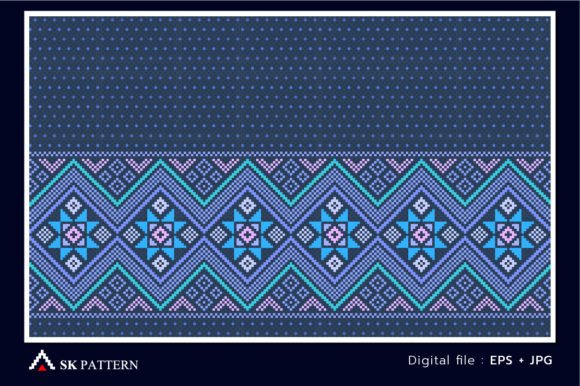
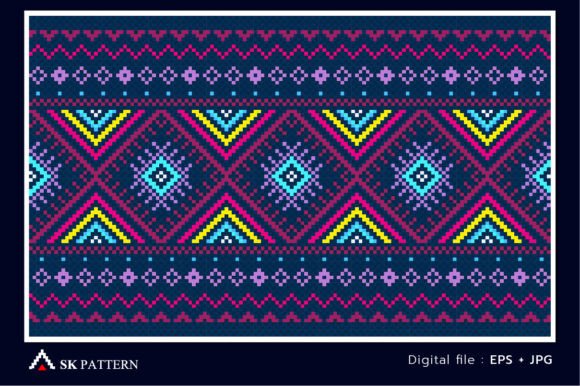
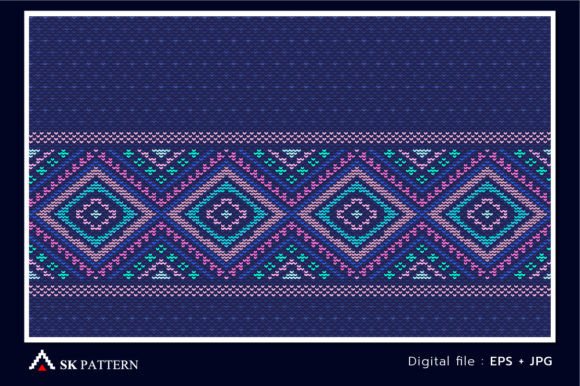
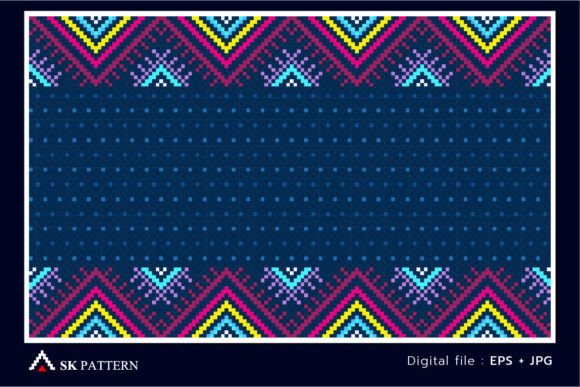
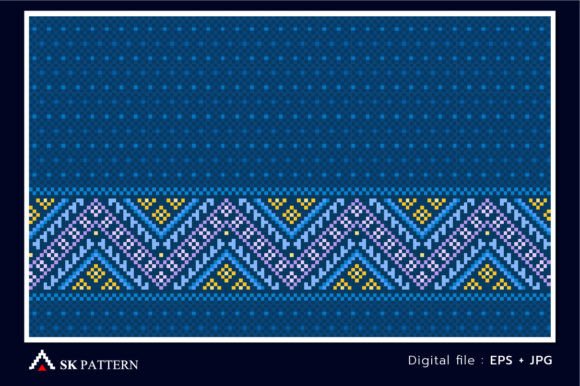
The moment I opened the preview files for Blue Pixel Ethnic Pattern Embroidery, the mood was immediately striking. Unlike traditional floral or geometric motifs that rely on soft curves, this design embraces a pixelated aesthetic fused with ethnic influences. It feels bold yet structured, perfect for brands aiming to bridge the gap between rustic heritage and modern digital culture. The layout suggests a high level of detail, which is crucial when we are talking about machine embroidery design. If the pixels are too small, they will disappear in the stitching process; if they are too large, the intricate ethnic feel might get lost.
I envision this pattern not just as a simple chest logo, but as a statement piece. The "pixel" aspect gives it a playful, contemporary edge, while the "ethnic" component adds a layer of depth and storytelling. For a boutique brand, this duality is gold. It allows us to create apparel that feels both handmade and digitally native. Whether we are targeting a feminine, bohemian audience or a gender-neutral streetwear crowd, this design has the visual weight to stand out against plain backgrounds.
Application on Premium Sweatshirts and Hoodies
When I imagine applying Blue Pixel Ethnic Pattern Embroidery to our limited drop, the possibilities are exciting. Let's start with the classic neutral sweatshirt. On a heather grey or oatmeal fabric, the blue tones would pop without being overwhelming, creating a sophisticated look suitable for everyday wear. However, the true magic happens on dark fabrics. A midnight navy or charcoal hoodie would allow the lighter pixels to gleam, making the design feel luminous and textured.
I also see potential in pastel colorways. Imagine a soft blush pink oversized hoodie with this pattern embroidered in contrasting white and light blue threads. It would transform the garment into a cozy seasonal piece, perfect for spring launches. The design works exceptionally well for back placements, where the full pattern can breathe, or as a subtle sleeve accent for those who prefer minimal branding. For lifestyle product photography, placing this on a draped shoulder or folded neatly next to a coffee mug would highlight its decorative nature, appealing directly to the Etsy seller demographic looking for unique handmade products.
Technical Feasibility for Commercial Use
Moving from aesthetics to technical execution, there are several factors to consider before sending this to production. The first concern is stitch density. Pixel designs often require tight packing to maintain their shape, but on a thick sweatshirt fleece, excessive density can cause puckering. We must ensure the stitch density is optimized so the fabric remains soft and comfortable. If the design is too dense, it loses the casual, wearable vibe and starts feeling stiff.
Fabric texture plays a massive role here. Since we are working with knit fabrics like cotton-polyester blends, the choice of stabilizer is non-negotiable. A cut-away stabilizer would likely be required to support the structure of the pixel grid and prevent distortion during washing. Regarding the hoop size, the dimensions of the pattern must fit within standard commercial hoops without requiring awkward re-hooping, which can ruin alignment. If the design is too large for a single hoop, we may need to split it or use a larger frame, adding time to the production cycle.
Another critical point is thread color contrast. The description mentions "Blue," but does this mean a solid hex code or a gradient? In embroidery, gradients are simulated through shading stitches. If the original digital file relies on a smooth gradient that cannot be replicated with thread, the final finished product might look muddy. We need to verify that the vector data (the EPS file) breaks down cleanly into stitch types that a machine can execute. Furthermore, readability at smaller sizes is a concern. If we decide to scale this down for a pocket placement, will the individual pixels merge into a blob? This is a common pitfall in custom apparel projects that can devalue the item.
Impact on Brand Identity and Product Value
Beyond the technical specs, the real question is: does this design elevate the brand? In the crowded market of Etsy sellers and small shop products, visual recognition is everything. A generic flower motif fades quickly, but a unique Blue Pixel Ethnic Pattern Embroidery creates a memorable signature. When customers see this distinct pattern on a tag or a social media post, they should immediately associate it with your boutique identity.
This level of detail signals quality. It tells the buyer that you care about the nuances of your craft. High-quality embroidery on a sweatshirt increases the perceived value, allowing you to command higher prices. It transforms a basic commodity into a collectible item. For digital sellers offering printable mockups, having a design with such strong character makes marketing materials look professional and polished. It helps build trust, showing that the brand is established and thoughtful.
However, we must remain realistic about the file limitations provided. The listing states it includes one EPS file and one JPG. While useful for reference and editing, these formats do not guarantee immediate embroidery compatibility. Many digital embroidery files require specific formats like .DST, .PES, or .JEF. As a responsible designer, I must remind fellow entrepreneurs to check the actual file compatibility before purchasing. If the EPS needs to be digitized manually, that adds a layer of cost and time. If the JPG is low resolution, scaling it up for large back prints could result in jagged edges rather than crisp pixels.
Final Thoughts for the Creative Entrepreneur
In conclusion, Blue Pixel Ethnic Pattern Embroidery presents a compelling opportunity for brands looking to inject personality into their apparel lines. Its blend of modern pixel art and traditional ethnic motifs offers a fresh take on hoodie design that stands out in a sea of minimalist logos. It is versatile enough for wall art and home decor, yet robust enough for commercial embroidery on durable garments.
If the technical details align—specifically regarding stitch count, thread colors, and file format conversion—this design could become a flagship element of your collection. It promises to deliver a finished product that feels premium, intentional, and deeply connected to the maker movement. For the crafter, the digital seller, or the boutique owner, investing in a design with this much narrative potential is a smart move. Just remember to test a sample run on your specific fabric type to ensure the thread colors sing and the stabilizer holds firm. With the right preparation, this pattern could be the star of your next season's launch.