Vector Ethnic Embroidery Geometric Review
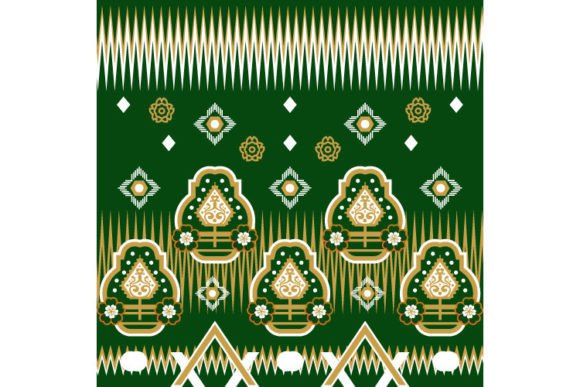
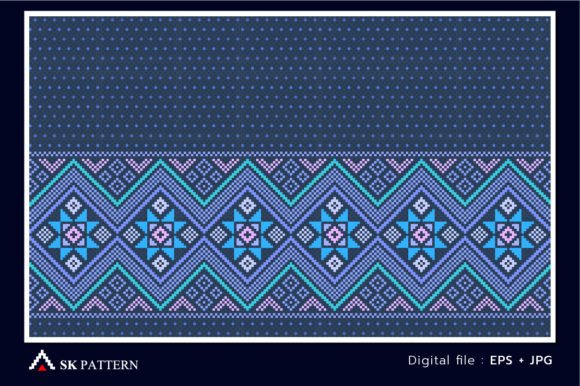
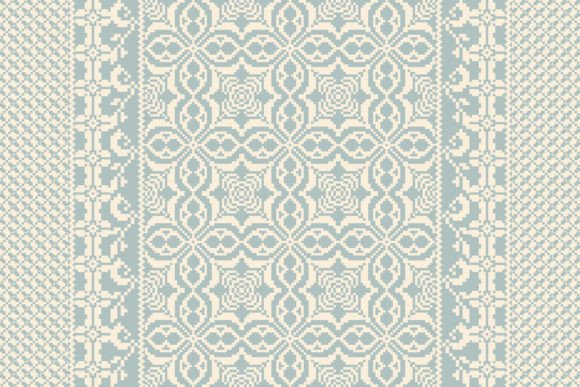
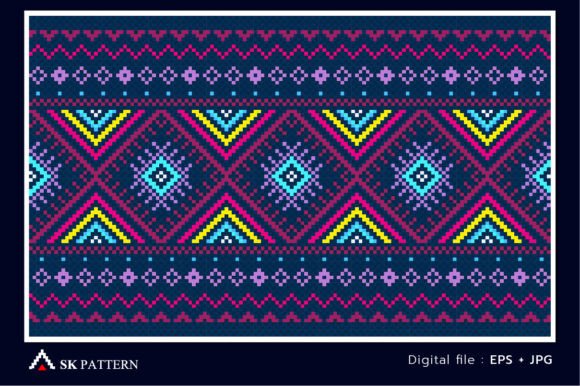
I recently received a new design asset to evaluate for my upcoming weekend craft fair booth, and it is called Vector Ethnic Embroidery Geometric. As an experienced embroidery designer who spends countless hours selecting files that will translate beautifully from screen to fabric, I approached this review with a critical eye. The goal is always the same: find designs that not only look stunning in person but also sell quickly to the right audience. This pattern feels immediately bold and modern, yet retains a rustic charm that fits perfectly into the current handmade market trends.
First Impressions and Visual Appeal
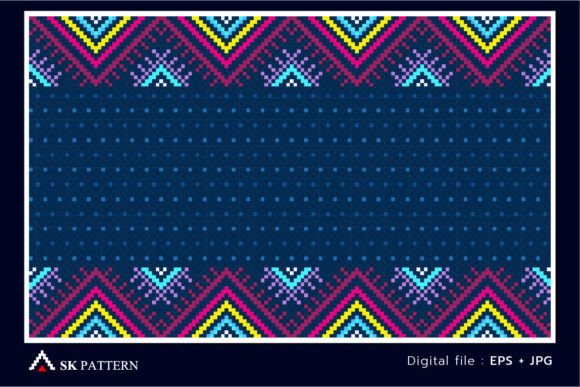
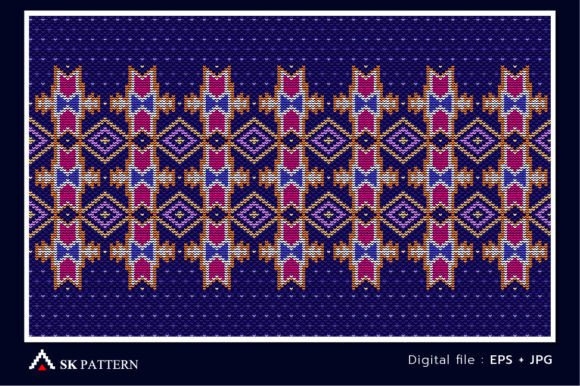
When you first open the files for Vector Ethnic Embroidery Geometric, the immediate feeling is one of structured elegance. The title suggests a fusion of cultural motifs with clean lines, which often translates to high visual impact on finished goods. Unlike many trendy designs that feel fleeting, geometric patterns tend to have a timeless quality. They work well as focal points or as repeating borders, making them incredibly versatile for a wide range of products.
The description highlights its suitability for wall art, floor pillows, throw blankets, and tapestries. This tells me the design has enough complexity to hold attention when large but likely maintains clarity when scaled down. For a craft fair seller, this balance is crucial. You want something that catches a customer's eye from across the room (the "booth display strength") but also looks premium up close. The geometric nature of Vector Ethnic Embroidery Geometric promises a clean, professional finish that elevates the perceived value of any item it adorns.
Product Potential for Craft Fair Sellers
Imagine setting up your table at a busy artisan market. You have tote bags, aprons, tea towels, patches, caps, small pouches, pillow covers, and giftable handmade items spread out before you. Where does Vector Ethnic Embroidery Geometric fit best?
- Tote Bag Design: This is perhaps the strongest candidate. A large-scale application of this pattern on a canvas tote creates an instant statement piece. It works as a central motif or can be repeated along the side panels. Customers love unique totes that look like gallery art rather than mass-produced merchandise.
- Apron Embroidery: For the kitchen-focused shopper, applying this design to a linen or cotton apron adds a sophisticated touch. The geometric lines contrast beautifully with the soft drape of apron fabric, creating a modern farmhouse aesthetic.
- Tea Towel Embroidery: These are quick sellers at craft fairs. The pattern is ideal for a centered placement on a flour sack towel. It photographs exceptionally well for online listings, which drives traffic to your Etsy shop even after the fair ends.
- Embroidered Patch: If you offer custom patches, this design offers great potential. The defined edges of geometric shapes make for crisp patch outlines, perfect for selling as accessories or adding to denim jackets and beanies.
- Pillow Covers: The description explicitly mentions floor pillows and cushions. A large, bold print of Vector Ethnic Embroidery Geometric on a velvet or heavy cotton pillow cover can command a higher price point due to the perceived luxury and effort involved.
- Market Bags and Small Pouches: Smaller items benefit from the design's ability to act as an accent. A single motif on a cosmetic bag or a zipper pouch makes for a delightful, affordable gift item.
Photography and Online Listings
As an Etsy seller and digital creator, I know that your product photos are just as important as the physical item. Vector Ethnic Embroidery Geometric has a distinct advantage here. Its sharp lines and clear structure photograph well under various lighting conditions. Whether you are creating a printable mockup for your listing or taking real photos of your booth samples, the design will remain legible and attractive. It avoids the blurry mess that sometimes occurs with overly intricate floral or script fonts, ensuring your finished product looks as good in a thumbnail as it does in person.
Production Practicality and Technical Notes
Before committing to a full run of inventory, every embroidery file must undergo a rigorous testing phase. Here is what I advise regarding the production of Vector Ethnic Embroidery Geometric:
- Stitch Density and Detail: While the description does not list exact stitch counts, geometric patterns can sometimes suffer if the density is too high. Check the file carefully for areas where stitches might crowd each other, especially on smaller scales. Dense stitch areas can cause puckering on lightweight fabrics like tea towels or thin cottons.
- Hoop Size and Spacing: Confirm the recommended hoop size for the design. If you plan to use this on a curved surface like a cap, ensure the digitizing accounts for the curvature. Flat items like tote bags are safer bets for initial testing.
- Fabric Texture: The design will interact differently with various materials. On a smooth sateen, the lines will appear razor-sharp. On a textured towel or thick fleece, some fine details might get lost. Always test on scrap fabric that matches your final product material.
- Thread Contrast: The visual appeal relies heavily on thread colors. Ensure you have high-contrast options available. A light design on dark fabric or vice versa will make the geometric elements pop, drawing the customer's attention immediately.
- Stabilizer Selection: To prevent distortion, use the appropriate stabilizer. For stable fabrics like canvas, a cut-away stabilizer provides long-term durability. For stretchy knits, a tear-away or water-soluble backing might be necessary to maintain the crisp geometry of the pattern.
Scaling and Clarity
One common pitfall with digital assets is assuming they scale infinitely without loss of quality. Vector Ethnic Embroidery Geometric sounds promising, but you must verify how it performs at different sizes. Tiny details may disappear if the design is reduced for a small pouch or a cap logo. Conversely, if used as a large focal design on a blanket, ensure the spacing between elements remains consistent so it doesn't look cluttered. The description mentions it includes an EPS file, which is excellent for scaling, but always inspect the digitized version to ensure no tiny, unfixable artifacts exist.
Commercial Licensing and Brand Consistency
For those of you running a small shop product line or a boutique business, understanding the commercial license is non-negotiable. Before selling any items made with Vector Ethnic Embroidery Geometric, confirm the terms of use included in the download. Does it allow for unlimited sales? Are there restrictions on the number of units? Clear licensing protects your brand consistency and ensures you can operate without legal worries.
When building a cohesive booth display, using a design like this helps establish a strong brand identity. It signals to customers that you pay attention to detail and curate high-quality design assets. It moves your offerings beyond generic templates into the realm of curated, thoughtful handmade goods.
Final Verdict for the Market
In conclusion, Vector Ethnic Embroidery Geometric appears to be a highly valuable addition to any digital embroidery file library intended for commercial use. Its versatility spans from practical kitchen items like aprons and tea towels to decorative home goods like pillows and tapestries. The geometric style appeals to a broad demographic, from the modern minimalist to the bohemian lover.
By following standard production protocols—testing on scraps, checking stitch density, and verifying licensing—you can transform this vector pattern into a best-selling crafter fair product. It has the potential to be a standout item on your table, attracting buyers who appreciate the intersection of traditional craftsmanship and contemporary design. If you are looking to expand your catalog with items that offer both visual interest and practical utility, this design warrants serious consideration for your next batch of handmade creations.