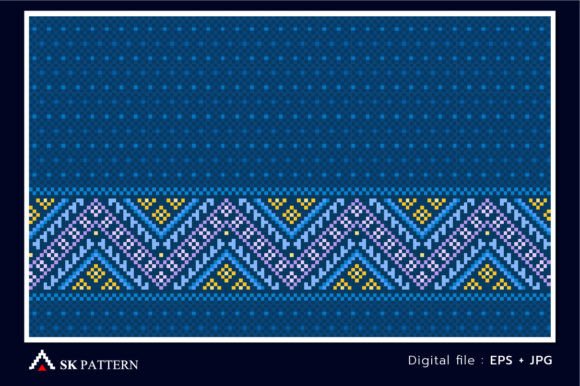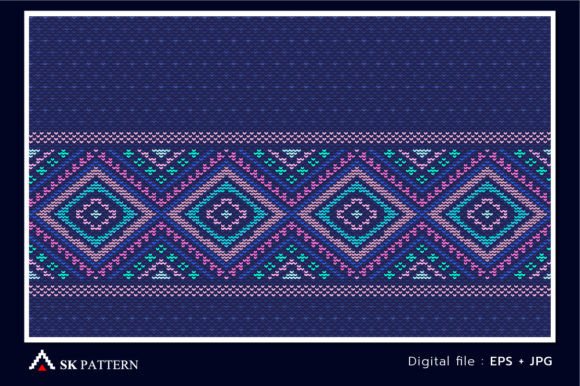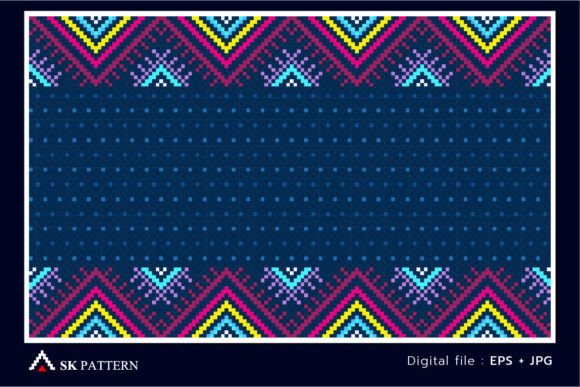
White and Blue Embroidery Pattern Design Review
As an experienced embroidery designer who has spent years crafting digital assets for commercial use, I approach every new file with a critical eye. When evaluating the White and Blue Embroidery Pattern Design, my focus shifts immediately from aesthetic appeal to practical application. Small business owners, Etsy sellers, and apparel decorators need more than just a pretty image; they require a reliable tool that translates well into physical products. This review explores how this design performs when moved from a digital screen to a machine needle, specifically for branded patches, staff uniforms, and custom merchandise.
First Impressions and Visual Personality
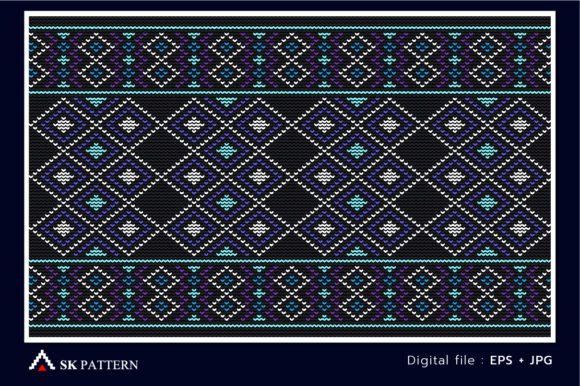
The title White and Blue Embroidery Pattern Design suggests a clean, crisp aesthetic that is often associated with professionalism and trust. In the world of branding, white and blue is a classic combination that conveys reliability without being overly aggressive. Based on the description provided, which lists applications ranging from wall art to dresses, this design appears to be versatile enough to serve as both a subtle accent and a bold statement piece.
For a small business owner, the first question is always: does this feel premium? The potential uses listed, such as gift wrapping, scarves, and cushions, imply a design that balances decorative flair with structural integrity. If the pattern features intricate details suitable for tapestries, it may require careful consideration regarding stitch density when applied to smaller items like tote bags or cap fronts. However, if the design leans towards a simpler geometric or floral motif, it offers excellent potential for creating a cohesive brand identity across multiple product lines.
Real-World Application for Small Business Merch
The true test of any embroidery file lies in its versatility across different mediums. Imagine a local café or boutique looking to expand their revenue streams through branded merchandise. The White and Blue Embroidery Pattern Design could be the perfect candidate for several high-value applications.
- Embroidered Patches: One of the most popular uses for this type of design is creating iron-on or sew-on patches. A well-executed patch can instantly elevate a plain denim jacket or a work apron. The contrast between white and blue threads often stands out beautifully against darker backgrounds, making it ideal for staff uniforms where visibility and brand recognition are key.
- Caps and Headwear: Cap embroidery requires precision due to the curved surface. If the design maintains good spacing and avoids excessive detail in the center, it can serve as a striking logo placement on the front panel of baseball caps or beanies.
- Tote Bags and Aprons: For crafters and bakers, a durable design on a canvas tote bag or a kitchen apron serves as a walking advertisement. The durability of the stitching ensures that the brand identity survives frequent washing and handling.
- Product Packaging Accents: Beyond clothing, this design could be embroidered onto fabric tags attached to handmade goods. Adding a touch of custom apparel quality to packaging significantly increases perceived value and customer engagement.
Strategic Branding and Customer Trust
Consistency is the backbone of a successful brand. When customers see your White and Blue Embroidery Pattern Design on a hat, a shirt, and a cushion, it reinforces visual consistency. High-quality embroidery signals attention to detail and craftsmanship, which directly influences buyer trust. A blurred or poorly stitched logo can damage reputation, whereas a sharp, professional finish enhances the finished product experience.
Furthermore, using a distinct design helps differentiate your shop in crowded marketplaces like Etsy. While many sellers rely on printed graphics, offering embroidered options adds a tactile element that customers appreciate. It transforms a generic item into a handmade product with character.
Critical Considerations and Potential Pitfalls
While the potential is high, an experienced designer must also identify where caution is required. Not every design works on every surface. The White and Blue Embroidery Pattern Design must be evaluated for specific constraints before production begins.
Size and Detail Limitations: If the design contains fine lines or tiny text, it may not translate well to small patch sizes or the limited space on a cap front. Curved surfaces like hats can distort complex patterns, so testing is essential. Similarly, high stitch density might cause puckering on lightweight fabrics like scarves or thin cotton dresses.
Fabric and Color Contrast: White thread on a white background is invisible, and light blue thread can get lost on light-colored fabrics. This design will likely perform best on dark uniforms, navy blue totes, or contrasting backgrounds. If you plan to use it on a white dress or a light-colored floor pillow, you must ensure the blue elements provide enough contrast to be seen clearly.
Wash Durability: Items that require frequent washing, such as work shirts or aprons, need robust stabilization and appropriate thread choices. Designs with large areas of fill stitching may require extra care to prevent fabric distortion over time.
Practical Designer Notes for Production
Before committing to a bulk run of commercial embroidery projects, follow these essential steps to ensure success with the White and Blue Embroidery Pattern Design.
- Test in Black and White: Convert the design to grayscale to check the balance of negative space and positive stitches. This helps identify areas that might look too busy or too sparse.
- Verify File Specifications: The product description mentions an EPS file and a JPG. However, for actual machine embroidery, you need the native digitized format (such as PES, DST, or EXP). Ensure you have the correct digital embroidery file compatible with your machine software. Do not attempt to embroider directly from a JPEG or EPS vector unless it has been properly converted by a digitizer.
- Check Hoop Size and Stitch Count: Confirm the maximum hoop size required for the design. If the design exceeds your machine's capabilities, you may need to split the file. Also, verify the estimated stitch count to calculate accurate pricing for labor and materials.
- Select the Right Stabilizer: Use the appropriate stabilizer for your fabric texture. Heavy-duty cut-away stabilizers are often needed for stretchy knits, while tear-away works well for stable wovens.
- Create a Printable Mockup: Before cutting expensive fabric, generate a printable mockup to show clients or stakeholders. This allows for approval on placement and scale without risking material waste.
- Review Thread Colors: Ensure the selected thread colors match the intended design assets. Sometimes screen colors differ slightly from actual thread shades, so checking physical swatches is recommended.
- Confirm Commercial Licensing: Always read the license agreement. Just because a design is available for purchase does not automatically grant rights for mass production or resale of finished goods. Verify that you have the necessary permissions for small business merch creation.
Conclusion
The White and Blue Embroidery Pattern Design holds significant promise for entrepreneurs looking to enhance their brand presence through high-quality textile applications. Its versatility makes it suitable for everything from delicate accessories like scarves to durable workwear like aprons. However, success depends on rigorous testing and adherence to technical best practices.
By carefully considering stitch density, fabric choice, and proper digitization, you can transform this digital asset into a powerful marketing tool. Whether you are adding a chest logo accent to a uniform or creating a unique patch for a limited edition collection, this design offers a strong foundation for building a professional and recognizable brand identity. Remember, the difference between a good product and a great one often lies in the execution, so take the time to test thoroughly before launching your final finished product.